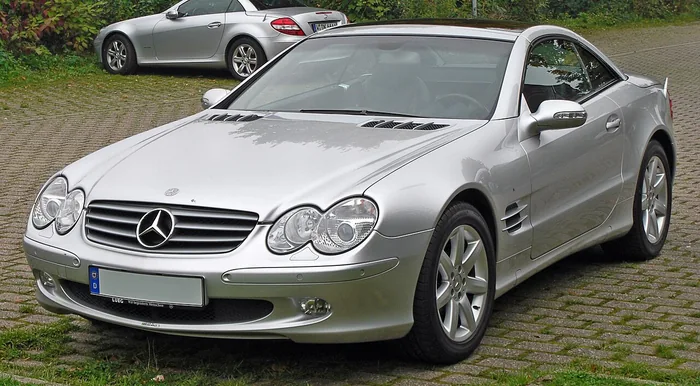
2001 Mercedes-Benz SL Roadster (R230)
The 2001 Mercedes-Benz SL Roadster (R230) introduced the fifth-generation SL with a retractable hardtop, Active Body Control, and a new era of high-tech grand touring for the SL nameplate.
The 2001 Mercedes-Benz SL Roadster (R230) introduced the fifth-generation SL with a retractable hardtop, Active Body Control, and a new era of high-tech grand touring for the SL nameplate.
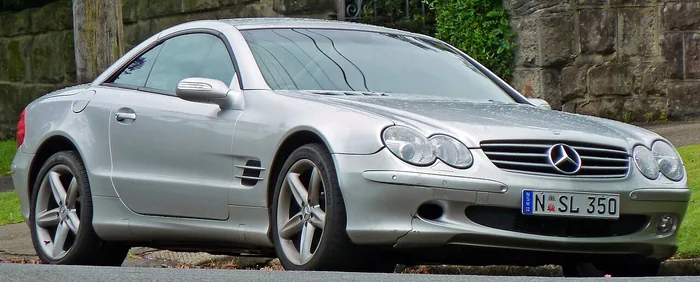
The 2006 Mercedes-Benz SL-Class Roadster (R230) sits mid-cycle in the fifth-generation SL era: folding hardtop, Active Body Control, and a strong mix of V6, V8, and AMG engines.
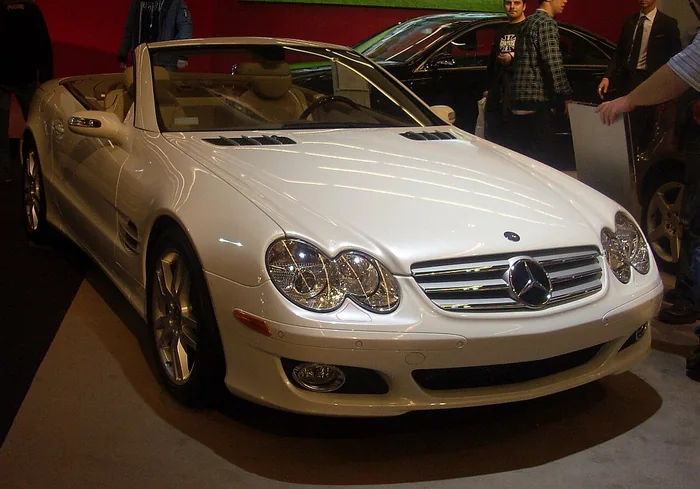
The 2008 Mercedes-Benz SL-Class Roadster (R230) represents a late-generation year of the fifth SL: Vario roof, ABC, and V6/V8/AMG power in a mature R230 package.
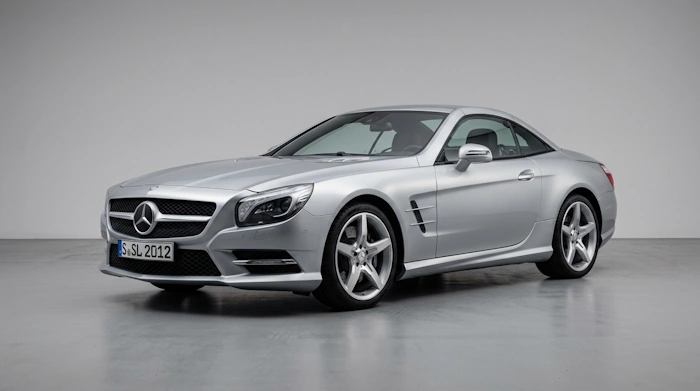
The 2012 Mercedes-Benz SL (R231) launched the all-aluminium sixth-generation SL roadster with a folding hardtop, ABC chassis technology, and a new generation of turbocharged powertrains.
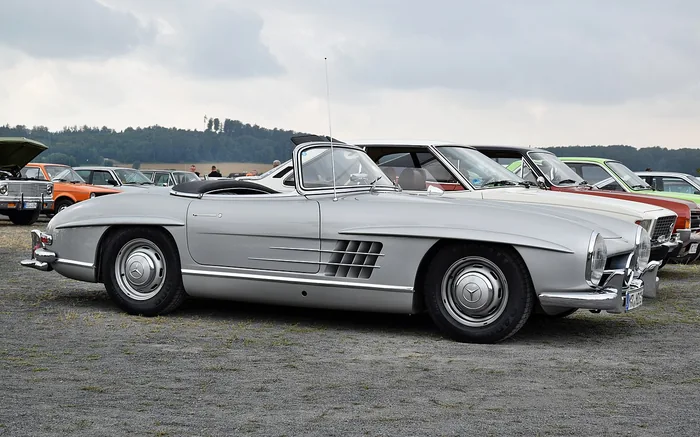
The 2016 Mercedes-Benz SL Roadster (R231) is the facelifted sixth-generation SL: aluminium structure, Vario roof, revised styling, and a model-year range spanning six- and eight-cylinder roadsters including AMG variants.
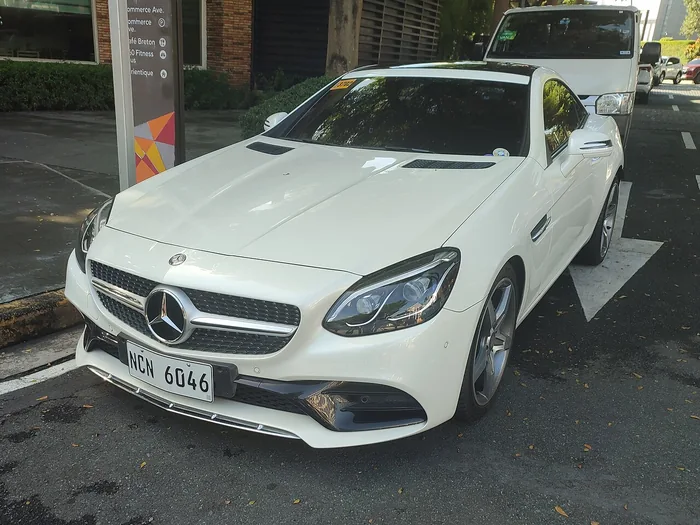
The 2016 Mercedes-Benz SLC (R172) is the facelift and rename of the third-generation compact hardtop roadster: four-cylinder petrol and diesel models, the SLC 43 AMG V6, 9G-TRONIC, and signature features such as AIRSCARF and optional Magic Sky Control.
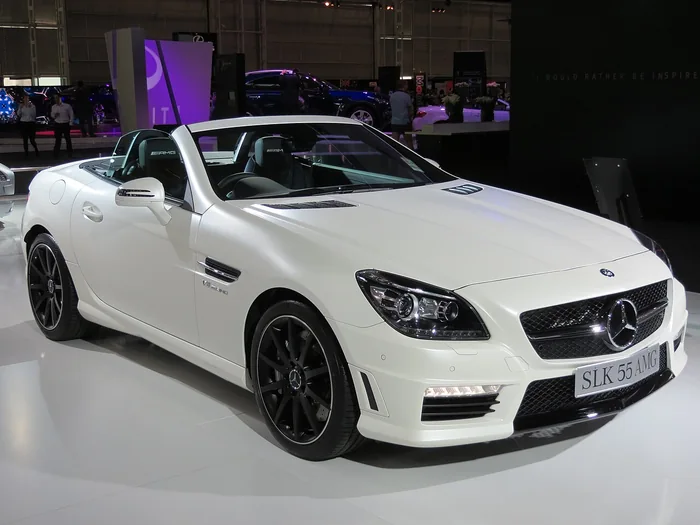
The 2012 Mercedes-Benz SLK 55 AMG (R172) is the last naturally aspirated V8 compact Mercedes roadster: M152 5.5-litre about 421 PS with cylinder deactivation, SPEEDSHIFT MCT, and third-generation SLK packaging.
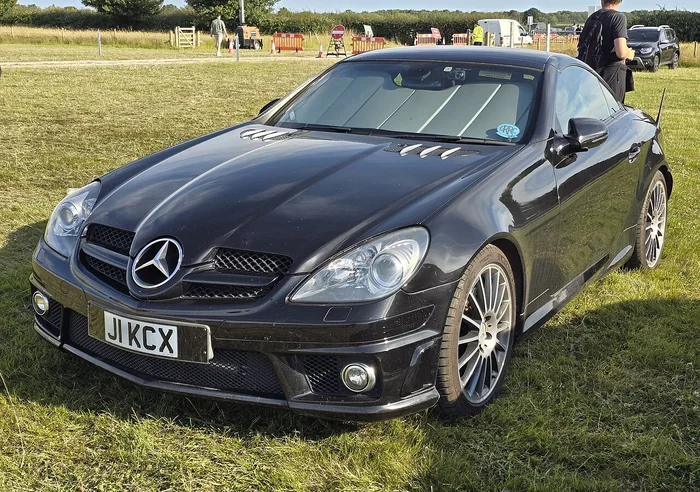
The 2008 Mercedes-Benz SLK 55 AMG continues the R171 V8 roadster with the hand-built 5.4-litre M113 at about 360 PS and 510 Nm, AMG SPEEDSHIFT 7G-Tronic, and late pre-facelift equipment within the 2005–2011 generation.
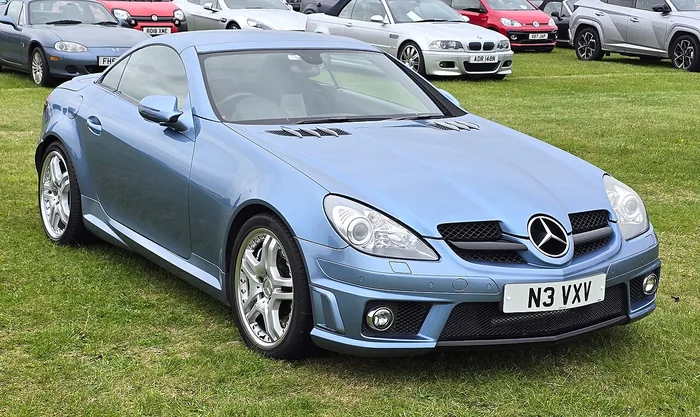
The 2006 Mercedes-Benz SLK 55 AMG Black Series is the limited track-focused R171: about 400 PS from the 5.4 V8, carbon-fibre aero themes, wider track, and roughly 600–700 cars, never officially sold in North America.
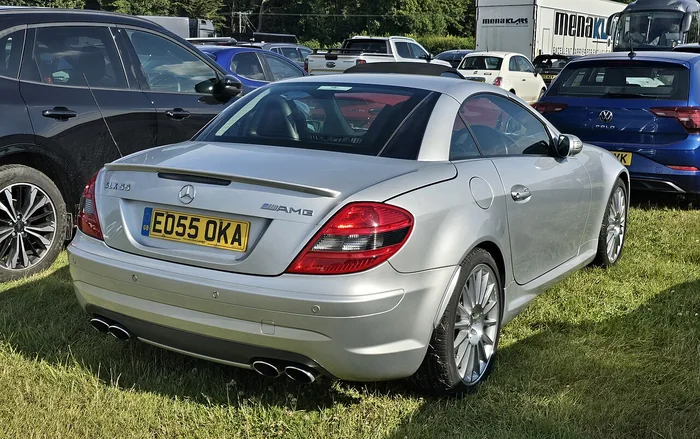
The 2004 Mercedes-Benz SLK 55 AMG introduced a hand-built naturally aspirated 5.4-litre M113 V8 in the R171 roadster, with about 360 PS and 510 Nm, SPEEDSHIFT 7G-Tronic, and AMG chassis hardware from the launch years.
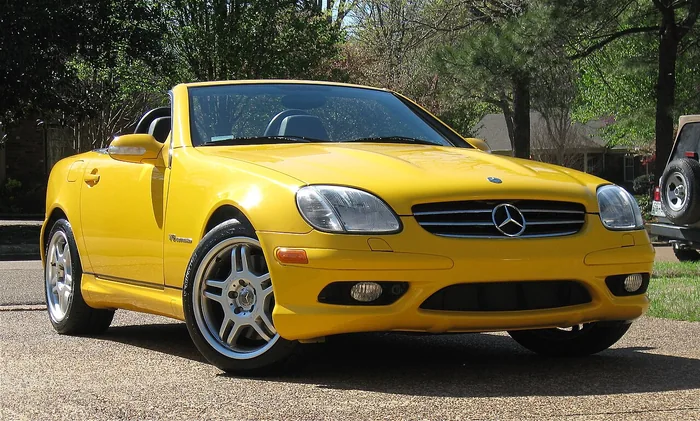
The 2001 Mercedes-Benz SLK 32 AMG (R170) is AMG’s supercharged compact roadster: hand-built M112 3.2 V6 with about 354 PS and 450 Nm, SPEEDSHIFT five-speed automatic, and a mechanical limited-slip differential, built roughly 2001–2004.
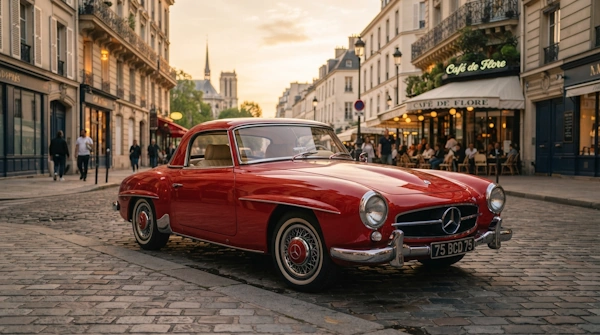
The Mercedes-Benz 190 SL Coupé is the hardtop configuration of the W121 BII: the same 105 PS 1.9-litre four and chassis as the roadster, fitted with the factory removable hardtop for closed grand-touring use from 1955 to 1963.
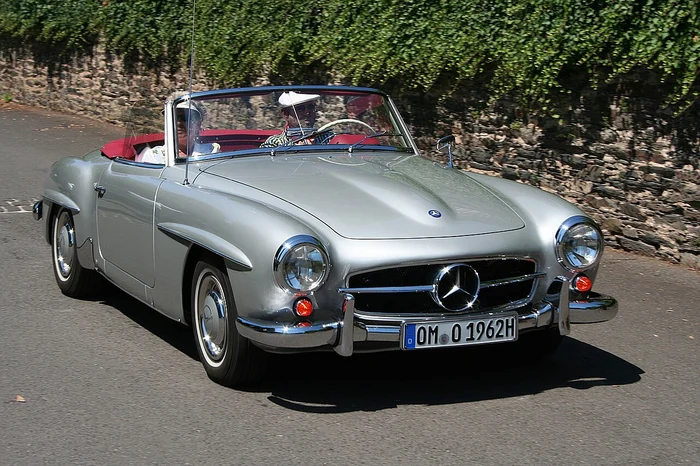
The Mercedes-Benz 190 SL Roadster (W121 BII, 1955–1963) is the volume open SL of its era: a 1.9-litre four-cylinder tourer with fabric soft top, 105 PS, and about 25,881 cars built across all 190 SL configurations.
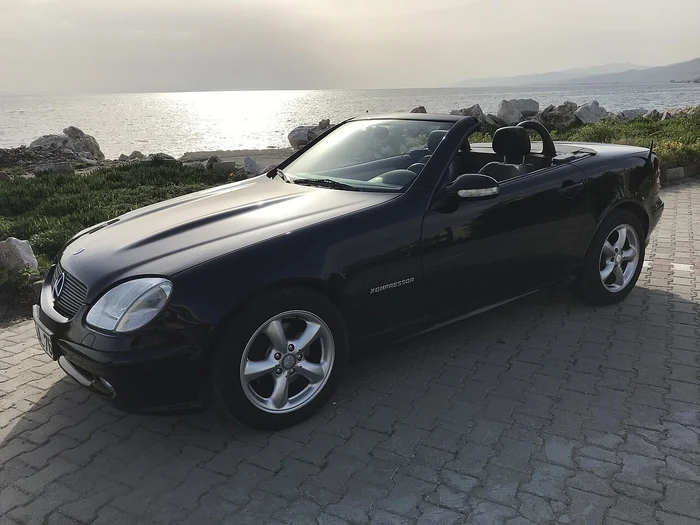
The 1996 Mercedes-Benz SLK (R170) founded the modern compact hardtop roadster class with a 25-second Vario metal roof, supercharged four-cylinder power, and a 2,400 mm wheelbase echoing classic SL dimensions.
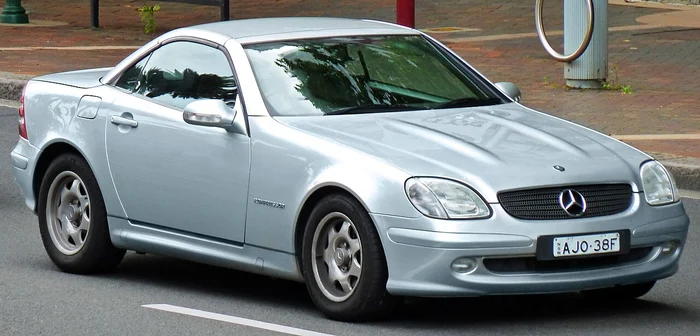
The 2000 Mercedes-Benz SLK facelift updates the first-generation R170 with new styling, a larger fuel tank, revised Kompressor fours, the first SLK 320 V6, and from 2001 the supercharged SLK 32 AMG.
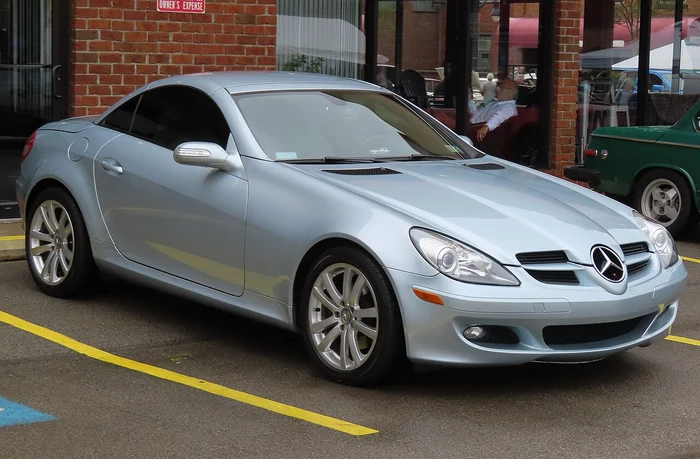
The 2004 Mercedes-Benz SLK (R171) is the second-generation compact hardtop roadster, introducing Airscarf, a Formula One–inspired nose, a faster Vario roof, and engines from supercharged fours to the SLK 55 AMG V8.
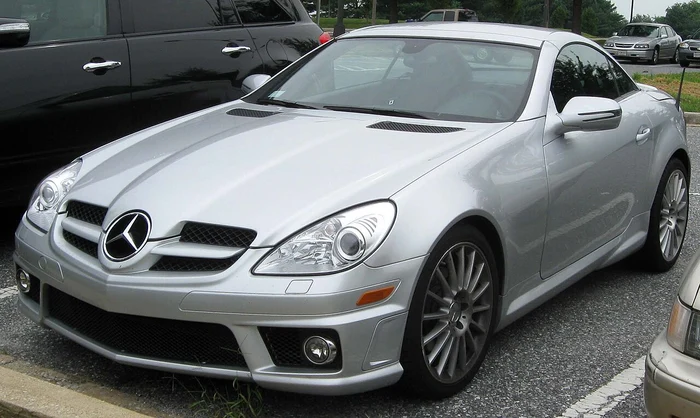
The 2008 Mercedes-Benz SLK is the R171 facelift: stronger 200 Kompressor and 350 outputs, revised styling and electronics, Airscarf, and continued SLK 55 AMG V8 performance through the end of second-generation production.
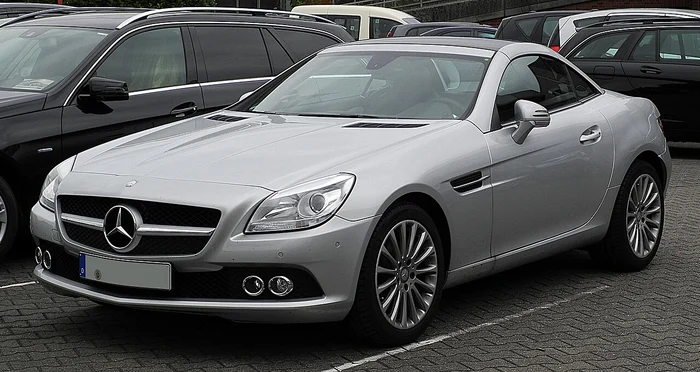
The 2011 Mercedes-Benz SLK Roadster (R172) is the third-generation compact hardtop roadster: turbo fours, optional diesel, Magic Sky Control glass, Airscarf, and later SLK 55 AMG V8 power before the 2016 SLC rename.
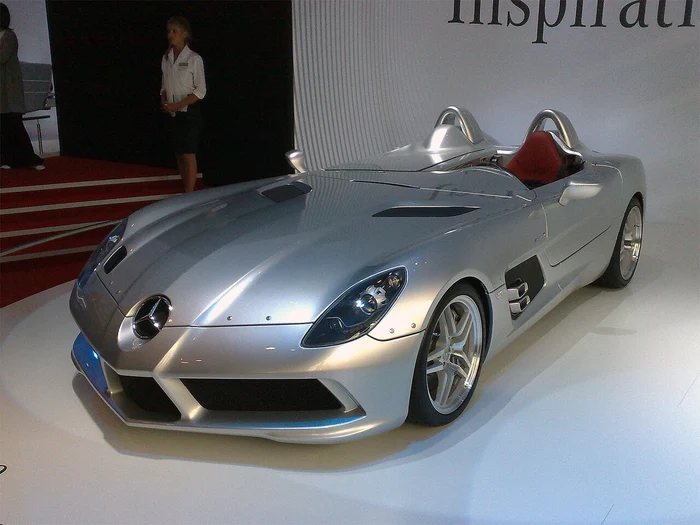
The 2009 Mercedes-Benz SLR Stirling Moss (Z199) is the 75-car speedster finale of the Mercedes–McLaren SLR line: no roof or windscreen, 650 PS and 820 Nm, roughly 200 kg lighter than a base coupé, and offered only to existing SLR owners.
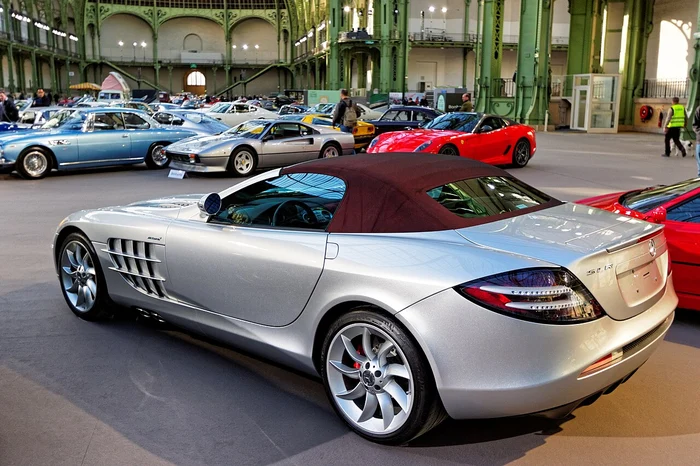
The 2007 Mercedes-Benz SLR McLaren Roadster (R199) opens the SLR with a fabric soft top and butterfly doors, keeping the base 626 PS supercharged 5.4-litre V8 while adding structural mass versus the closed C199 coupé.
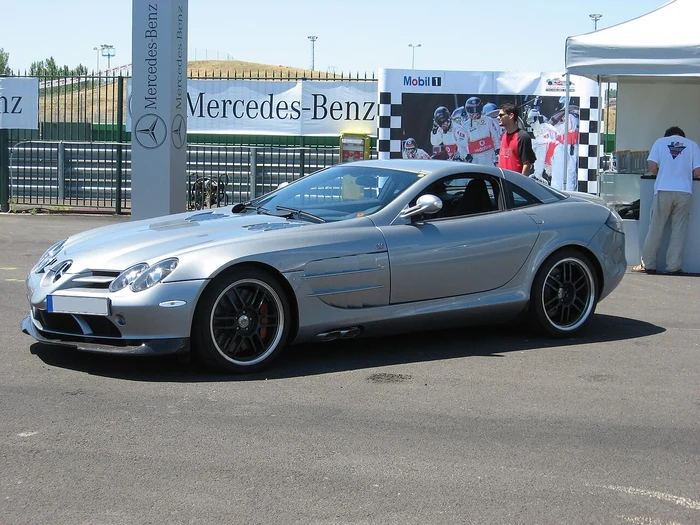
The 2006 Mercedes-Benz SLR McLaren 722 Edition is the limited closed performance SLR: about 150 cars, 650 PS and 820 Nm from the supercharged M155, firmer and lower chassis, larger front ceramics, and aero revisions named for Stirling Moss’s 1955 race number.
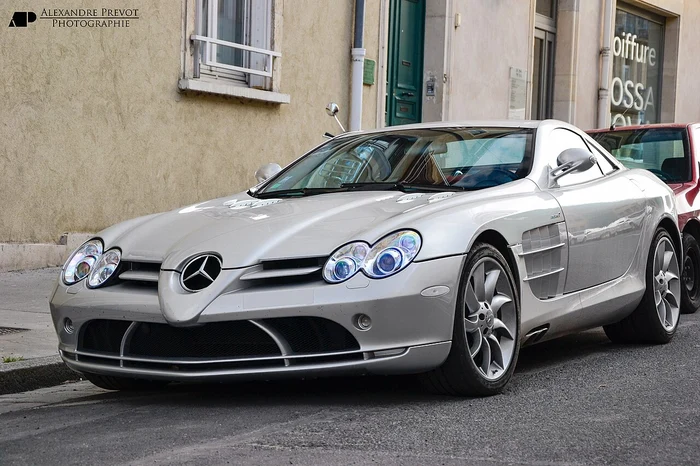
The 2003 Mercedes-Benz SLR McLaren (C199) is the base closed grand tourer of the Mercedes–McLaren partnership: carbon-fibre structure built in Woking, hand-built supercharged 5.4-litre AMG V8 at 626 PS and 780 Nm, and a five-speed AMG SPEEDSHIFT R automatic.
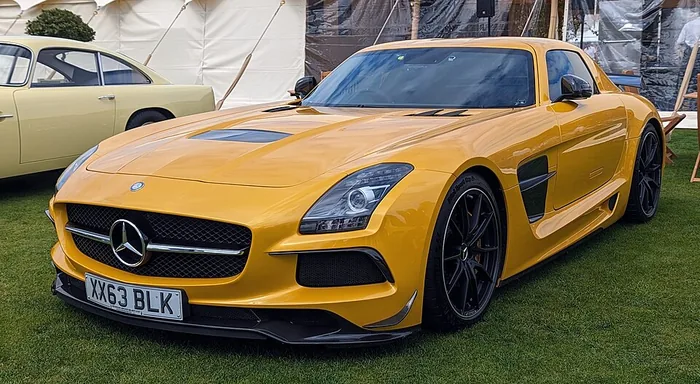
The 2013 Mercedes-Benz SLS AMG Black Series is the limited gullwing extreme: 631 PS at 7,400 rpm, 635 Nm, about 70 kg lighter with CFRP and titanium exhaust themes, coupé only with no roadster counterpart.
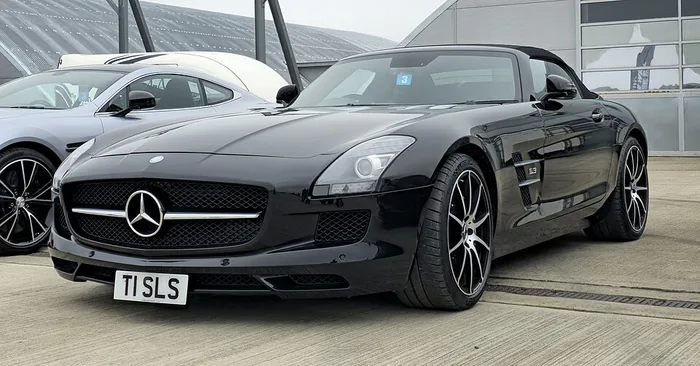
The 2012 Mercedes-Benz SLS AMG GT Roadster pairs the open R197 body with GT powertrain and chassis focus: 591 PS, 650 Nm, and sharper dual-clutch behaviour distinct from both the 2011 base roadster and the GT coupé.
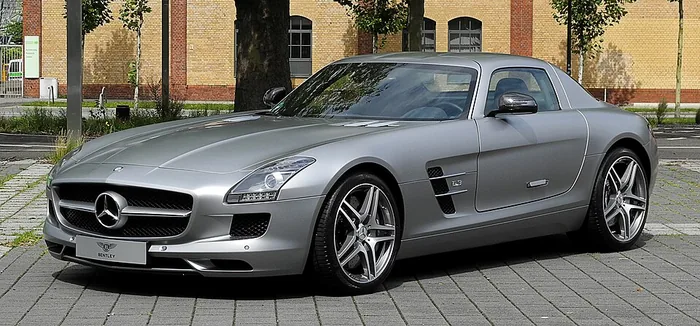
The Mercedes-Benz SLS AMG GT Coupé, from about 2012, raises the gullwing to 591 PS with the same 650 Nm peak, a sharper dual-clutch response, and AMG RIDE CONTROL performance suspension between base SLS and Black Series.
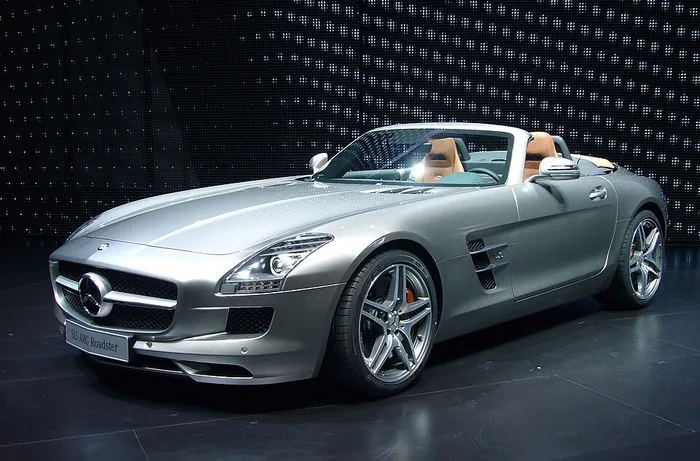
The 2011 Mercedes-Benz SLS AMG Roadster opens the SLS with a fabric soft top, conventional doors, and structural reinforcements, keeping the base 571 PS M159 while adding roughly 40 kg versus the gullwing coupé.
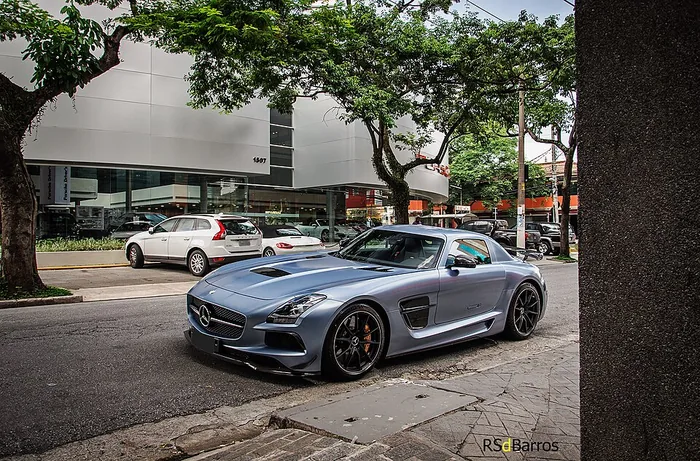
The 2010 Mercedes-Benz SLS AMG Coupé is the launch gullwing of the C197 programme: 571 PS M159 V8, 650 Nm, carbon torque-tube driveshaft, and about 3.8 seconds to 100 km/h in a front mid-engine aluminium two-seater.
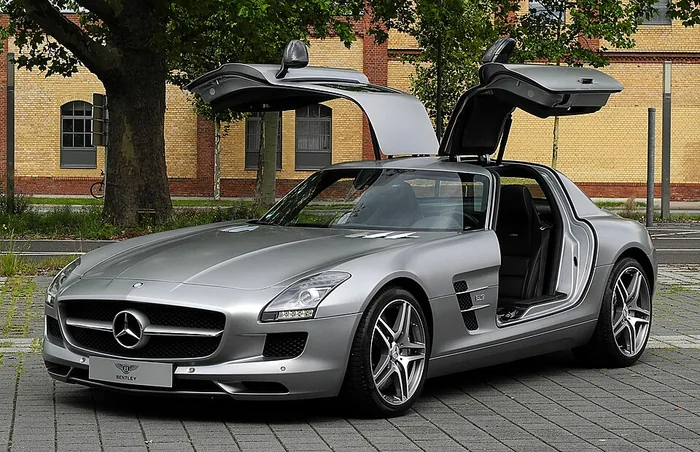
The Mercedes-Benz SLS AMG (C197 coupé / R197 roadster) is AMG’s first clean-sheet sports car: aluminium spaceframe, dry-sump M159 6.2-litre V8, and a rear seven-speed dual-clutch, produced roughly 2010–2015 across base, GT, and Black Series variants.
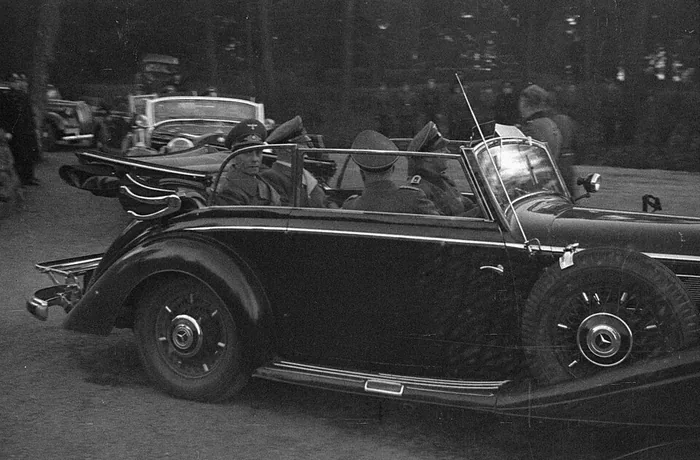
The 1936 Mercedes-Benz Typ 540 K Cabriolet B (W29) carries multi-seat formal open coachwork onto the larger 5.4-litre supercharged chassis — the open social backbone of the later W29 years.
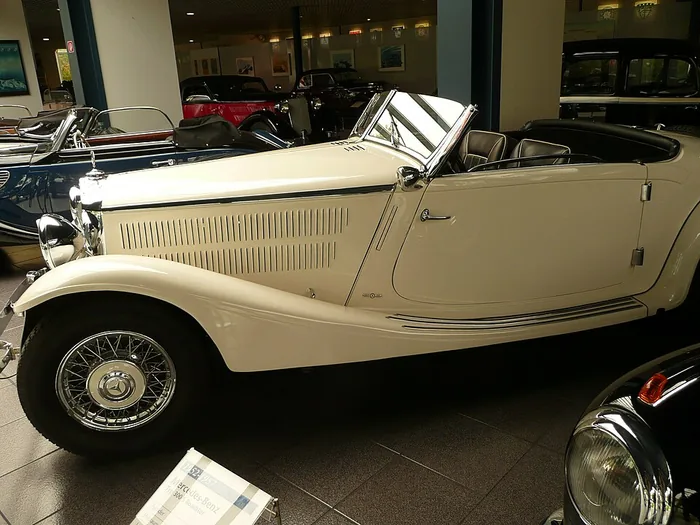
The Mercedes-Benz Typ 500 K Autobahnkurier (W29, from 1934) is an extreme-rarity streamlined closed special on the supercharged five-litre chassis — only a handful built, among the scarcest W29 coachwork themes.
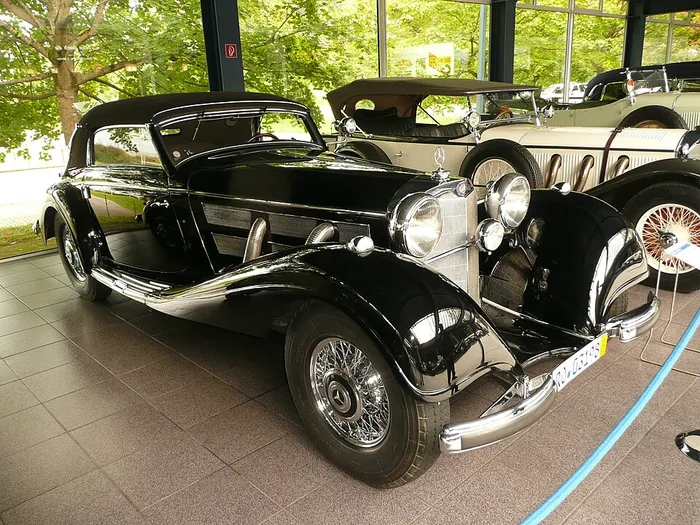
The Mercedes-Benz Typ 500 K Cabriolet C (W29, 1934–1936) is a multi-seat open convertible on the supercharged five-litre chassis — an intermediate formal open cut in the letter map beside the more numerous Cabriolet B.
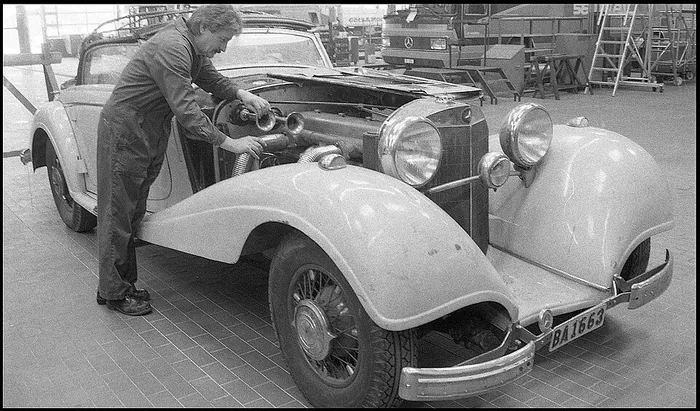
The Mercedes-Benz Typ 500 K Cabriolet B (W29, 1934–1936) is the multi-seat formal open convertible that formed the commercial backbone of open W29 coachwork on the supercharged five-litre chassis.
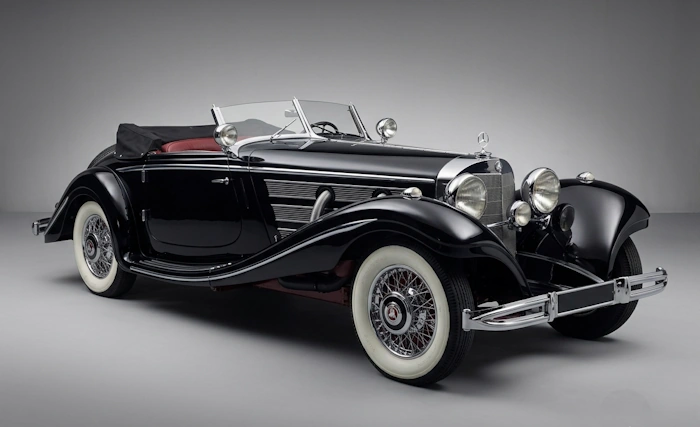
The Mercedes-Benz Typ 500 K Luxus-Roadster (W29, mid-1930s including 1935) is a luxury-leaning open roadster on the supercharged five-litre chassis — open style with richer formal intent than pure Spezial sports cuts.
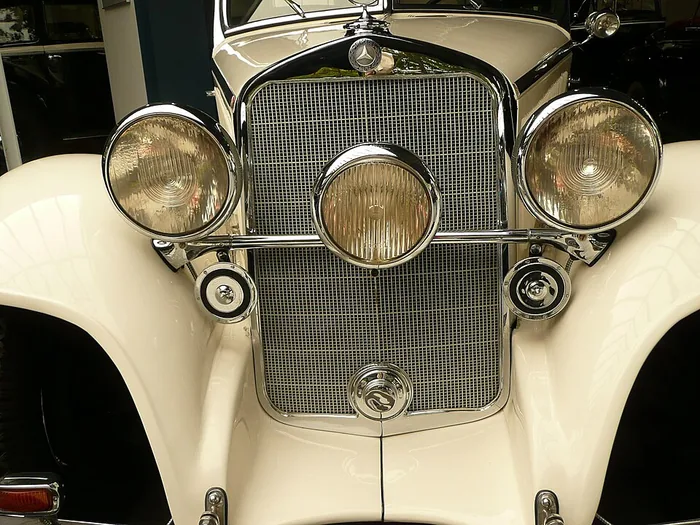
The Mercedes-Benz Typ 500 K Sport-Limousine (W29, mid-1930s including 1935) is a closed multi-seat sporting saloon on the supercharged five-litre chassis — year-round Kompressor formality without soft-top complexity.
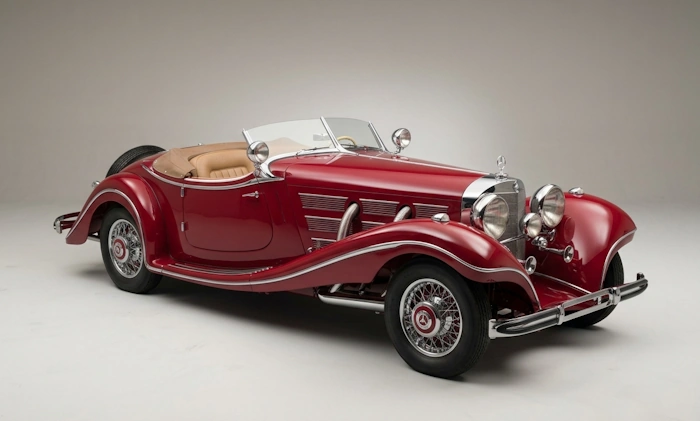
The Mercedes-Benz Typ 500 K Spezial-Roadster (W29, mid-1930s including 1936) is a rare sporting open special on the supercharged five-litre chassis — the five-litre foundation of the later 540 K roadster mythos.
The Mercedes-Benz Typ 540 K Sport-Limousine Spezial (W29, mid-1930s including 1937 associations) is a rare closed multi-seat sporting saloon special on the supercharged 5.4-litre grand-touring chassis.
The Mercedes-Benz Typ 540 K Cabriolet A (W29, c.1938–1939) is the intimate open convertible cut of the late supercharged 5.4-litre grand tourer — two-seat-oriented formality on the W29 chassis.
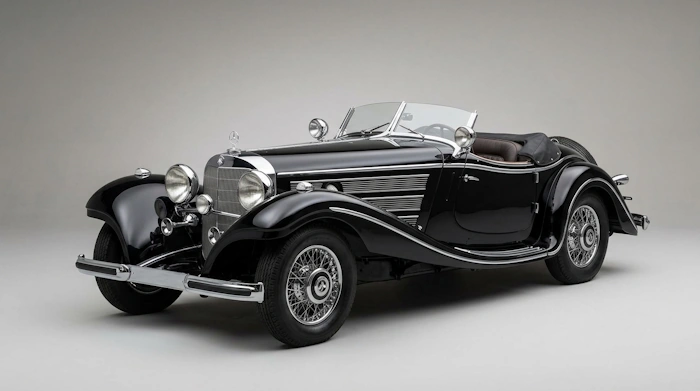
The Mercedes-Benz Typ 540 K Spezial Roadster (W29, mid-1930s including 1937 associations) is a rare sporting open special on the supercharged 5.4-litre chassis — one of the most exclusive open cuts in the W29 family.
The Mercedes-Benz Typ 540 K Spezial-Coupé (W29, late 1930s including 1939) is a rare closed two-door special body on the supercharged 5.4-litre grand-touring chassis — among the scarcest W29 coachwork themes.
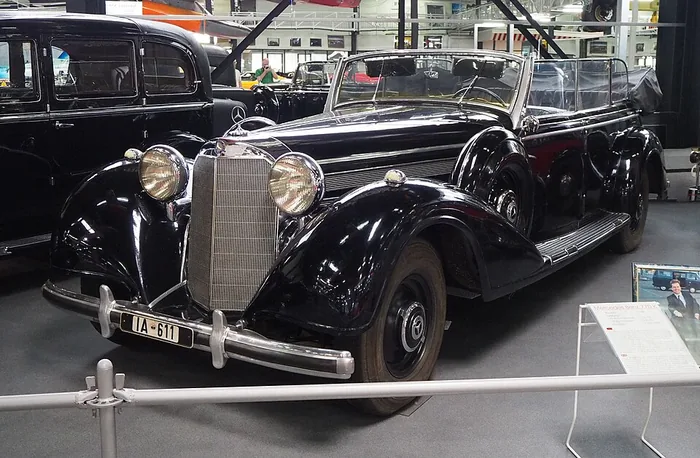
The Grosser Mercedes Cabriolet B (W150, c.1938–1943) is a formal open body on the second Typ 770 generation—still a vast flagship convertible, typically less Pullman-extreme than D/F, on the oval-tube chassis.
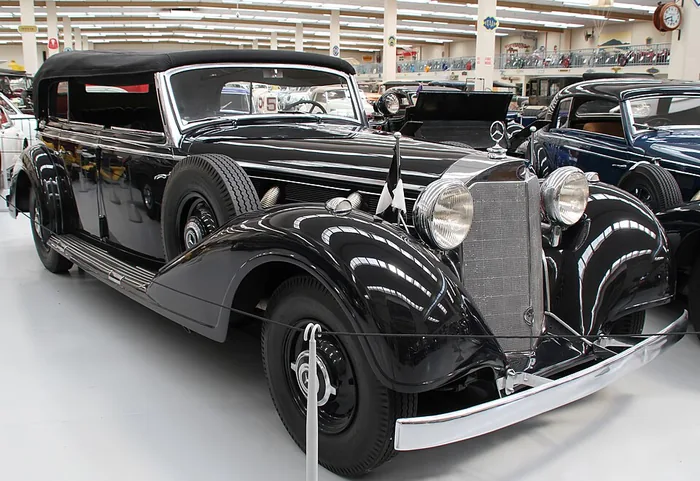
The Grosser Mercedes Cabriolet D (W150, c.1938–1943) is a large formal multi-seat open body on the second-generation Typ 770—five-speed gearbox, hydraulic brakes, and ~230 PS supercharged eight-cylinder power.
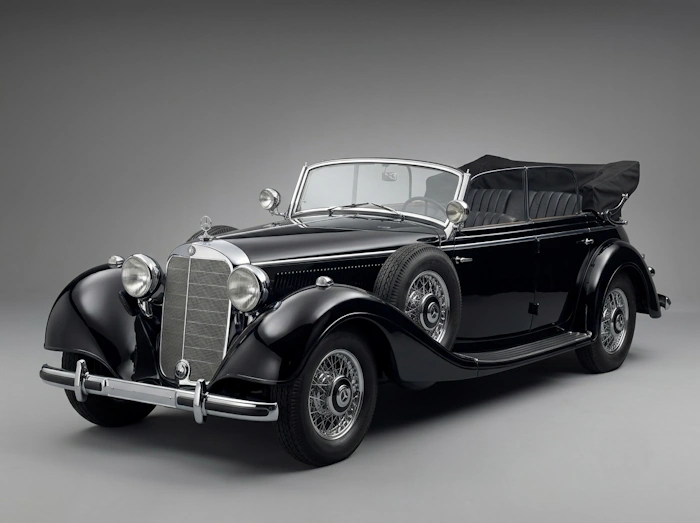
The Grosser Mercedes Tourenwagen (W150, c.1939–1943) is the second-generation open multi-seat parade and touring body—oval-tube chassis, hydraulic brakes, and the revised 7.7-litre supercharged eight.
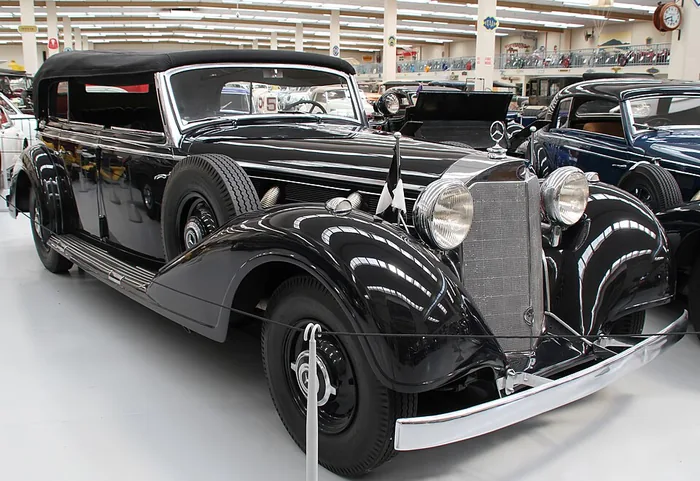
The 1939 Grosser Mercedes Cabriolet F (W150) is among the rarest second-generation Typ 770 open bodies—formal Pullman cabriolet formality on the oval-tube chassis with hydraulic brakes and ~230 PS supercharged eight.
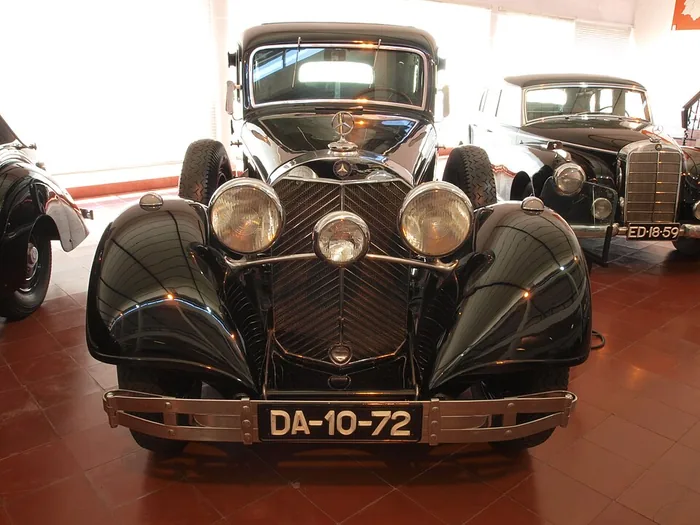
The Grosser Mercedes Stadt Coupé (W07, c.1933–1938) is a closed formal body on the first Typ 770 chassis—year-round flagship presence without soft-top complexity, still on the huge 7.7-litre eight.
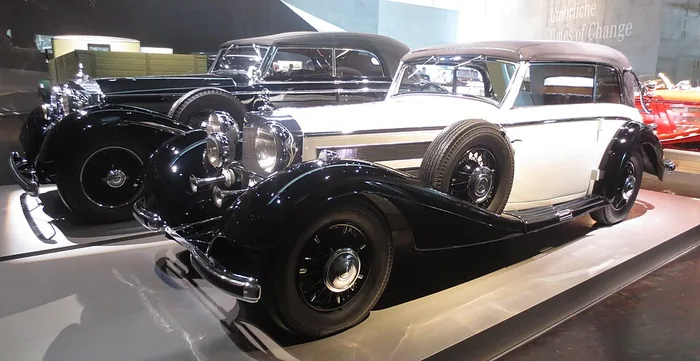
The Grosser Mercedes Tourenwagen (W07, c.1931–1938) is the open multi-seat touring and parade body of the first-generation Typ 770—ceremonial visibility on the 7.7-litre flagship chassis.
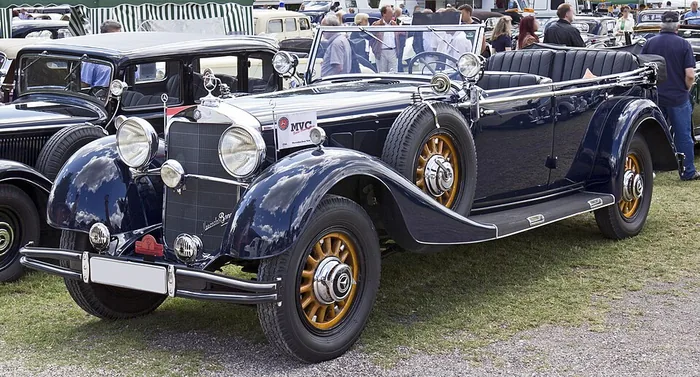
The Grosser Mercedes Cabriolet F (W07, c.1931–1938) is the most ceremonial open Pullman-oriented body of the first Typ 770 generation—maximum formal open presence on the long 7.7-litre chassis.
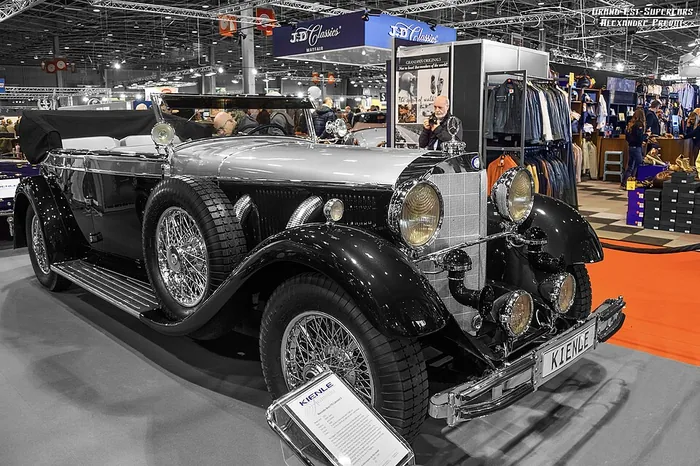
The Grosser Mercedes Cabriolet D (W07, c.1932–1938) is a large formal multi-seat open body on the first-generation Typ 770—ceremonial convertible formality on the 7.7-litre eight.
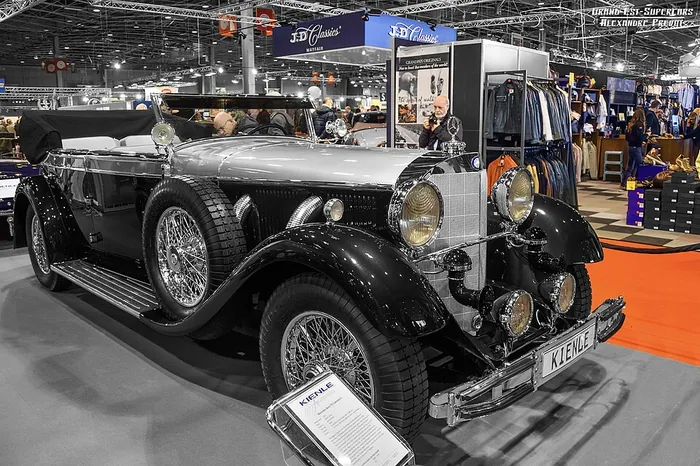
The Grosser Mercedes Cabriolet C (W07, c.1932–1938) sits mid-spectrum among open Typ 770 bodies: formal open social use on the 7.7-litre first-generation flagship chassis.
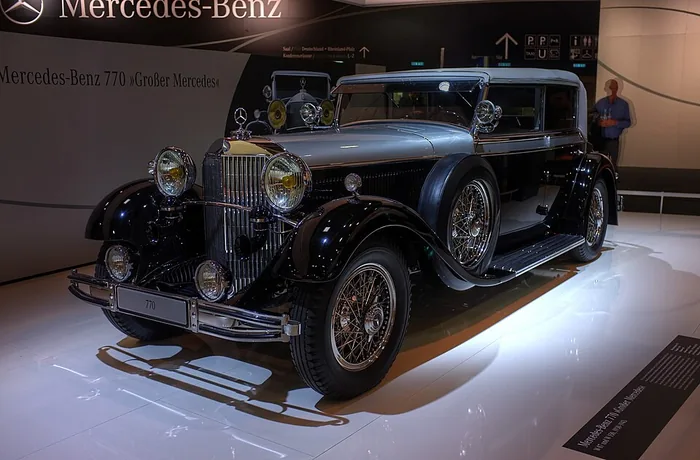
The Grosser Mercedes Cabriolet B (W07, c.1931–1938) is a formal open body on the first Typ 770 chassis—multi-seat convertible formality between intimate A cuts and larger D/F Pullman open cars.
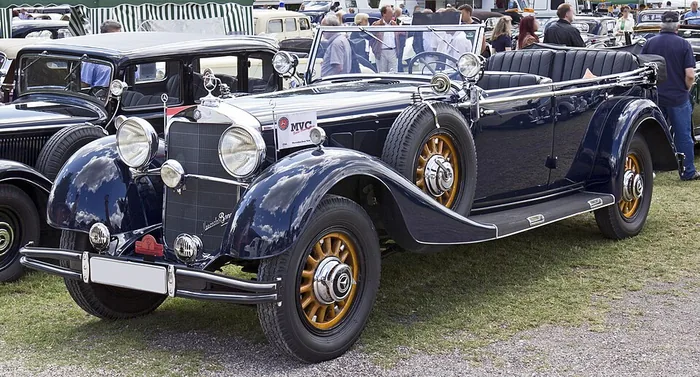
The Grosser Mercedes Cabriolet A (W07, c.1931–1938) is the more intimate open body on the first-generation Typ 770: 7.7-litre eight, optional Kompressor, long-wheelbase flagship chassis.
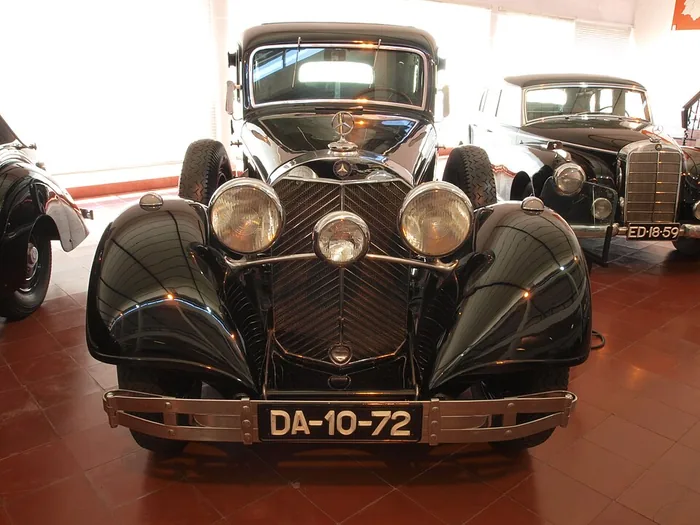
The Mercedes-Benz Typ 770 “Grosser Mercedes” (W07 1930–1938, W150 1938–early 1940s) was the ultra-luxury flagship: 7.7-litre inline eights, optional supercharging, and roughly 205 cars across both generations.
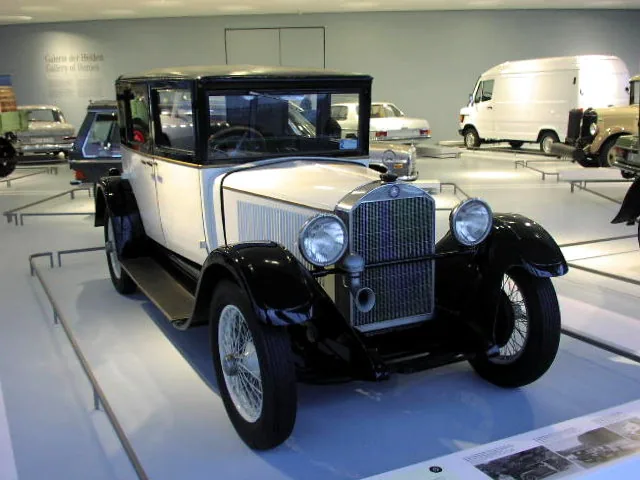
The 1926 Mercedes-Benz 8/38 (W02) is the launch identity of the two-litre mid-size six after the Daimler-Benz merger: Berlin Motor Show debut, about 38 PS, three-speed gearbox, and the start of volume Mercedes-Benz passenger sales.
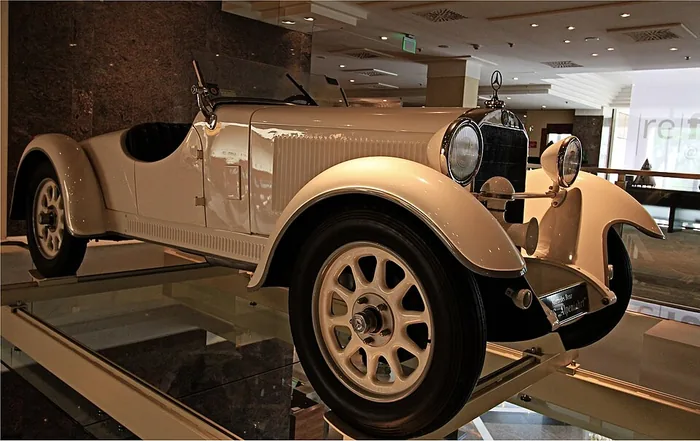
The Mercedes-Benz 8/38 Typ Stuttgart 200 (W02) is the facelifted two-litre mid-size phase from the late 1920s: about 38 PS, optional four-speed gearbox, and standard/special equipment packages under the Stuttgart place name.
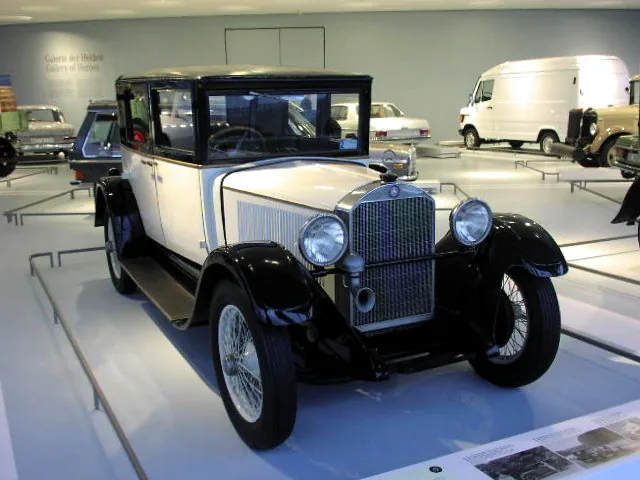
The Mercedes-Benz Typ 8/38 (W02, 1926–1933) was the merged brand’s mid-size two-litre six-cylinder volume car: about 38 PS, rear-wheel drive, and the commercial backbone of early Mercedes-Benz passenger production.
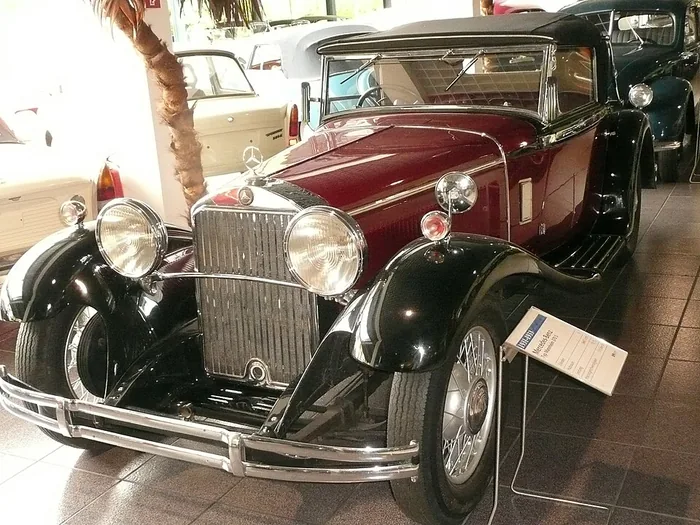
The Typ Mannheim Cabriolet (W10, 1931–1933) is the open Sport Cabriolet face of the Mannheim line—about 3.7 litres and 75 PS of six-cylinder open-air touring elegance.
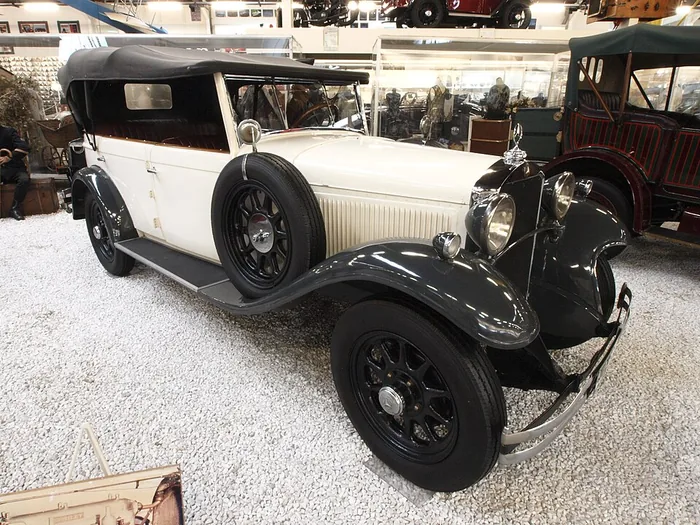
The Mercedes-Benz Typ Mannheim (W10, 1929–1934) is a six-cylinder mid-to-upper touring family—350 and 370 themes with limousines, tourers, and elegant cabriolets between Stuttgart accessibility and Nurburg ceremony.
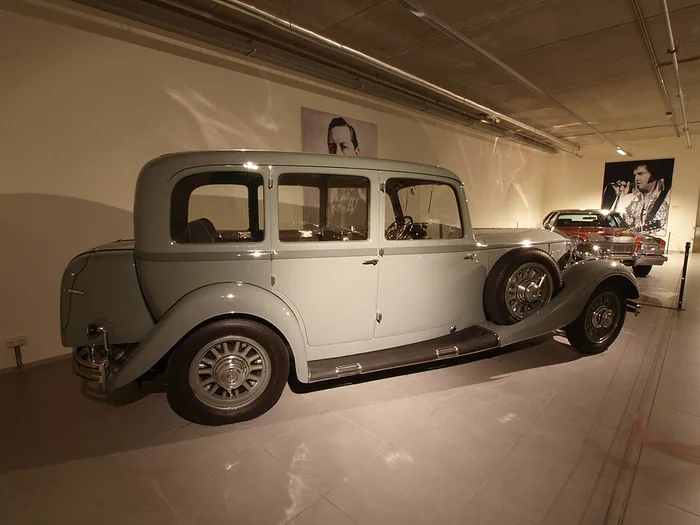
The Typ Nurburg Cabriolet F (W08, 1933–1939) is the large formal Pullman-style open cabriolet of the later Nurburg years—six-seat luxury under a folding top.
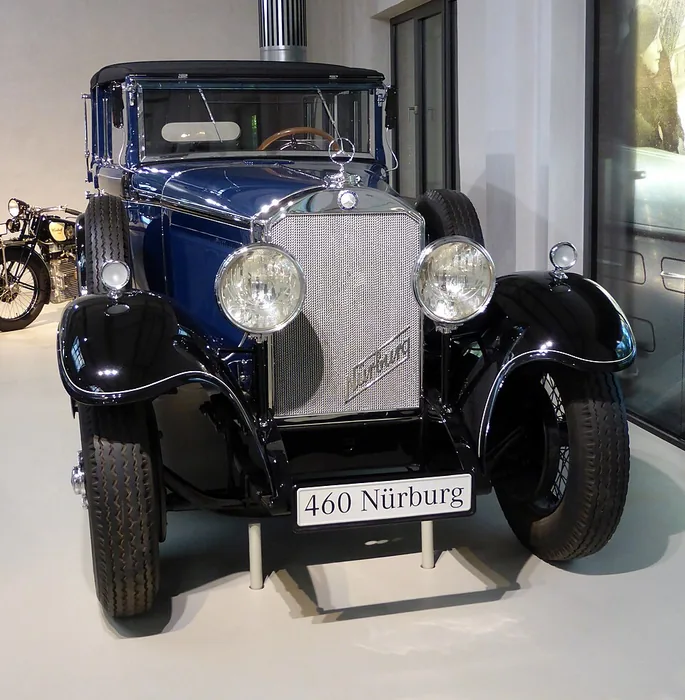
The Typ Nurburg Cabriolet C (W08, 1928–1933) is a more intimate open body style on the Nurburg eight-cylinder chassis—elegant cabriolet motoring between roadster and formal D/F types.
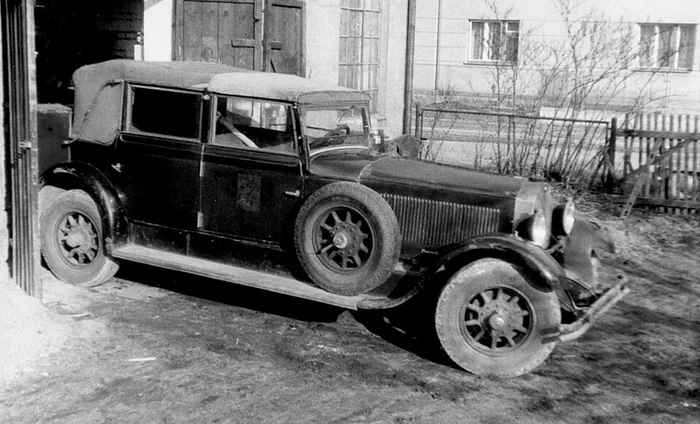
The Typ Nurburg Cabriolet D (W08, 1928–1934) is the formal four-door open body for social touring on Mercedes’ pioneering eight-cylinder Nurburg chassis.
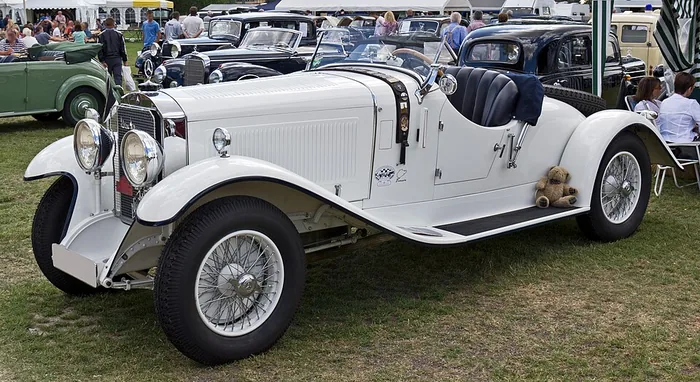
The Typ Nurburg Sport Roadster (W08) is the sporting open two-seat expression of Mercedes’ first eight-cylinder passenger chassis—luxury roadster character on a large W08 frame.
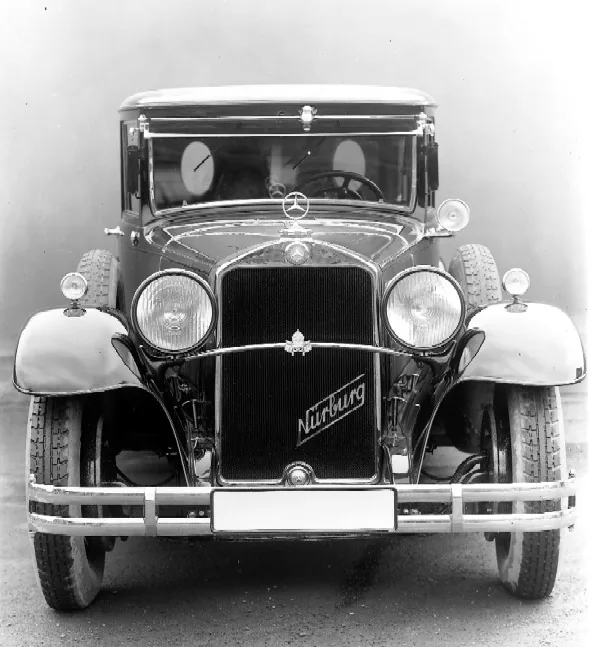
The 1928 Mercedes-Benz Nurburg sedan (W08) is the closed Pullman limousine face of the Nurburg family—the brand’s first eight-cylinder passenger luxury saloon.
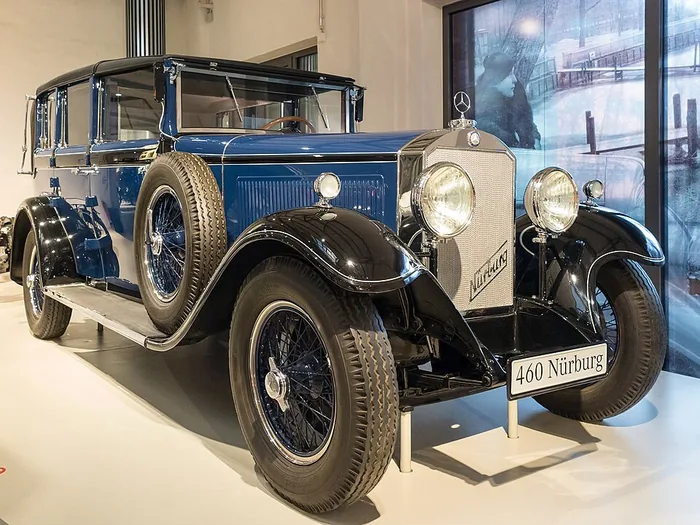
The Mercedes-Benz Typ Nurburg (W08, 1928–1939) was the brand’s first eight-cylinder passenger car family—luxury sedans, cabriolets, and a sport roadster on a large prestige chassis.
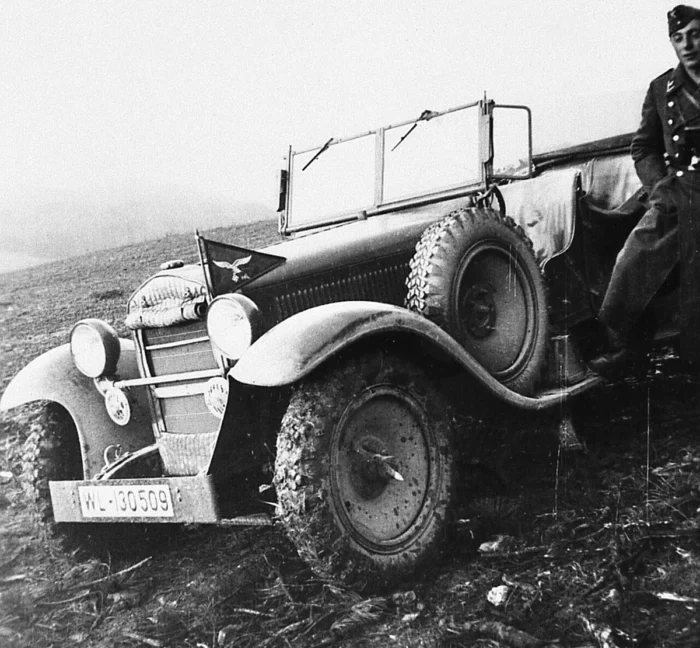
The 1930 Mercedes-Benz Typ Stuttgart 260 Sportwagen (W11) is the lightest sporting open expression of the 260 line—lively mid-size open motoring without supercharged S-series power.
The Mercedes-Benz Typ 260 Cabriolet D is the more formal four-seat open body on the Stuttgart 260 (W11) chassis, built for social touring with full weather equipment character.
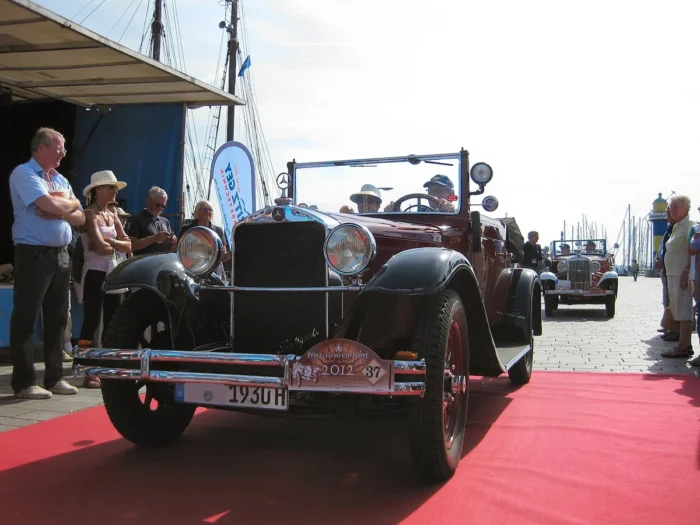
The Mercedes-Benz Typ Stuttgart 260 Cabriolet A (W11) is the sportier open two-seat (or 2+ occasional) cabriolet body on the 260 chassis, built for elegant open-air touring.
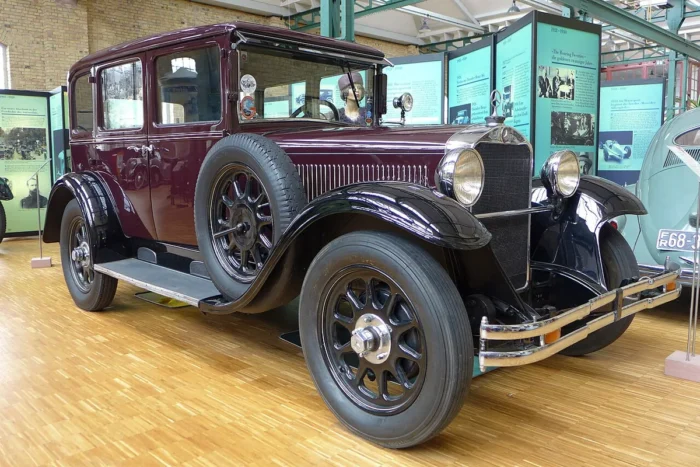
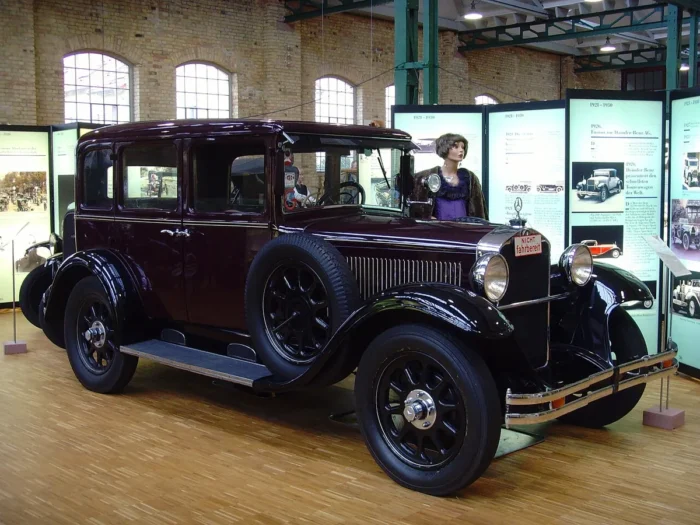
The Mercedes-Benz Typ Stuttgart 260 (W11, 1929–1934) is the six-cylinder mid-size successor in the Stuttgart line, with closed and open body styles including Cabriolet A, Cabriolet D, and Sportwagen.