
Modern vehicles equipped with auxiliary heating systems offer a remarkable convenience that transforms cold winter mornings from a dreaded chore into a comfortable experience. These pre-heat systems, commonly known as parking heaters or auxiliary heaters, allow you to warm up your vehicle before you even step inside, all while the engine remains off. Understanding how to properly use this technology can enhance your driving comfort, protect your engine, and make winter driving significantly more pleasant.
What are the auxiliary heating systems
An auxiliary heater is an independent heating device installed in your vehicle that operates separately from the main engine. Unlike traditional car heaters that rely on engine heat, these systems generate warmth using small amounts of fuel from your tank or electrical power from your battery. The heater circulates warm air through your vehicle’s existing ventilation system and can also warm the engine coolant, ensuring both cabin comfort and easier engine starts in freezing conditions.
These systems are particularly popular in northern climates and are often found as factory-installed options in European vehicles, though aftermarket solutions are available for nearly any car. The two primary types are fuel-operated heaters, which burn small amounts of gasoline or diesel, and electric heaters, which draw power from the battery or an external power source when plugged in.
Getting started with your pre-heat system
Before using your auxiliary heater for the first time, familiarize yourself with your specific system by consulting your vehicle’s owner manual. Different manufacturers implement various control methods, but most modern systems offer multiple ways to activate the heater.

The most straightforward method involves using the controls built into your vehicle’s dashboard or center console. Many systems integrate with your car’s infotainment system, allowing you to set heating schedules, adjust temperature preferences, and monitor fuel consumption directly from the screen. Some vehicles feature dedicated buttons or dials specifically for the auxiliary heater, making activation as simple as pressing a button before you exit the vehicle.
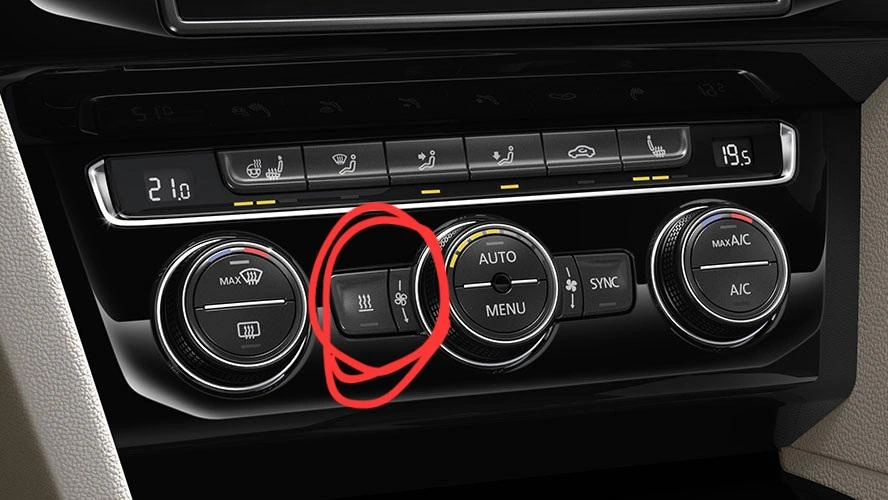
Remote controls represent another popular activation method. These key fob-style devices allow you to start the pre-heat cycle from the comfort of your home, typically with a range of several hundred feet. Simply press the designated button, and your car begins warming up while you finish your morning routine.
Modern control through smartphone apps
The most convenient control method available today involves smartphone applications. Many vehicle manufacturers now offer dedicated apps that communicate with your car through cellular networks, allowing you to activate the heater from virtually anywhere with internet connectivity. These apps typically provide extensive functionality beyond simple on-off control.
Through your smartphone, you can schedule heating times for recurring events like your daily commute, adjust the target temperature, monitor how much fuel or battery power the heater is consuming, and receive notifications when your car has reached the desired temperature. Some advanced systems even integrate with smart home platforms or learn your patterns to suggest optimal heating schedules.
To set up smartphone control, download your manufacturer’s app, create an account, and follow the pairing process to connect your phone with your vehicle. This usually involves entering your vehicle identification number and verifying ownership. Once connected, the app provides an intuitive interface showing your car’s current status and offering one-touch heating activation.
Programming your heating schedule
One of the most valuable features of auxiliary heaters is the ability to program automatic heating cycles. This means your car can warm itself at predetermined times without any manual intervention, ensuring it’s perfectly comfortable when you need it.
To program a heating schedule, access either your vehicle’s infotainment system or smartphone app and navigate to the heater settings. Most systems allow you to set multiple heating times throughout the week, accommodating different schedules for weekdays and weekends. You typically specify the time you want the heating to be complete, and the system automatically calculates when to start based on current outdoor temperatures.
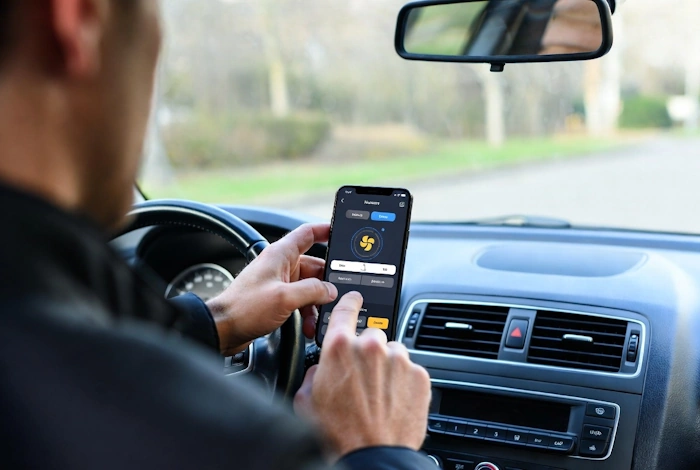
For example, if you leave for work at seven in the morning, you might set the heating completion time for six forty-five, giving yourself a comfortable buffer. The system might activate thirty minutes earlier on extremely cold days but only fifteen minutes ahead when temperatures are milder, optimizing fuel or energy consumption.
Advanced systems offer additional programming options such as heating duration limits to prevent excessive battery drain, temperature thresholds that prevent activation if the weather is already mild, and ventilation-only modes for hot days when you want to cool the interior without running the air conditioning.
Operating your heater effectively
Using your auxiliary heater efficiently ensures optimal performance while conserving fuel or battery power. When activating the system, consider how long you actually need the heating cycle to run. Most vehicles reach a comfortable interior temperature within twenty to thirty minutes, though extremely cold conditions might require longer.
If your system offers adjustable heating intensity, start with a moderate setting and increase if necessary. Running the heater at maximum intensity for extended periods consumes more fuel and may drain your battery faster than necessary. Many modern systems automatically adjust intensity based on detected temperatures, but manual control allows you to fine-tune performance for your preferences.
For vehicles with both cabin heating and engine preheating functions, activating both provides the best results. The engine preheating component warms the coolant, which not only makes starting easier but also means the main engine reaches operating temperature faster once you begin driving. This reduces engine wear and improves fuel efficiency during your drive.
Safety considerations and best practices
While auxiliary heaters are designed with safety as a priority, following certain guidelines ensures trouble-free operation. Always ensure your vehicle is parked in a well-ventilated area when using a fuel-operated heater. Although these systems are designed to vent exhaust safely, adequate ventilation around the vehicle is important, particularly if you’re parked in a garage. Never fully enclose the vehicle or block exhaust outlets.
Monitor your fuel level regularly when using a fuel-operated heater. While these systems consume minimal fuel, typically using only a quarter to half a liter per hour, extended use or multiple heating cycles can gradually deplete your tank. Some systems automatically disable heating if fuel levels drop too low, preventing you from being stranded with an empty tank.
Battery health is equally important for all auxiliary heater types. Even fuel-operated heaters require battery power to run control systems, pumps, and fans. If your battery is older or weak, frequent heater use might lead to starting difficulties. Most modern systems include battery protection features that shut down heating if voltage drops too low, but maintaining a healthy battery ensures reliable operation.
Check your heater’s air intake periodically, especially after snowfall or in dusty conditions. Blocked intakes reduce efficiency and can cause the system to shut down automatically. Similarly, ensure snow or ice doesn’t block exhaust outlets, as this could trigger safety shutoffs.
Troubleshooting common issues
Even well-maintained auxiliary heaters occasionally experience problems. Understanding common issues helps you address them quickly or know when to seek professional assistance.
If your heater fails to activate, first verify that your fuel tank has adequate fuel and your battery is sufficiently charged. Check that you haven’t exceeded the number of allowed heating cycles for your current fuel level, as some systems limit usage to prevent fuel depletion. Verify that your programming hasn’t accidentally disabled the heater or set it for incorrect times.
Weak heating output often indicates a problem with the heater itself, a blocked air filter in your ventilation system, or insufficient fuel flow. Sometimes simply allowing the heater to complete a full heating cycle resolves performance issues, as partial cycles can cause incomplete combustion in fuel-operated systems.
Error messages or warning lights require attention. Consult your owner’s manual for specific error code meanings, as these provide valuable diagnostic information. Some errors clear automatically after the system performs a self-diagnosis cycle, while others require professional service.
Unusual noises during operation might indicate air in the coolant system, a failing pump, or combustion issues in fuel-operated heaters. While some operational sounds are normal, particularly during startup and shutdown, persistent or loud noises warrant inspection by a qualified technician.
Maintenance requirements
Regular maintenance keeps your auxiliary heater operating reliably for years. Most manufacturers recommend annual servicing, ideally before winter when you’ll use the system most frequently. Professional maintenance typically includes inspecting fuel lines and connections, cleaning or replacing combustion chambers in fuel-operated heaters, checking electrical connections and control systems, testing safety shutoff mechanisms, and verifying proper exhaust ventilation.
Between professional services, you can perform simple maintenance tasks yourself. Keep the area around external heating components clean and free of debris, check that remote controls have fresh batteries, ensure ventilation intakes aren’t blocked by leaves or snow, and periodically run the heater even during warmer months to keep components lubricated and functional.
Maximizing efficiency and comfort
Getting the most from your auxiliary heater involves understanding how different settings and strategies affect performance and consumption. Using timer functions instead of manual activation ensures your car is warm exactly when needed without wasting energy. Setting the heater to complete warming just before you depart means you step into maximum comfort.
Combining your auxiliary heater with other winter preparation strategies enhances results. Using a windshield cover prevents ice formation, reducing the work your heater must do. Parking in a garage or sheltered area when possible reduces the temperature differential the heater must overcome. Ensuring your vehicle’s regular heating system is functioning properly means the main heater takes over efficiently once you start driving.
Consider adjusting your heating duration seasonally. Mild winter days might require only fifteen minutes of preheating, while extreme cold might need forty minutes or more. Learning how your specific vehicle responds to different conditions helps you optimize timing.
Is it good for environment?
Using an auxiliary heater provides benefits beyond comfort. By warming your engine before starting, you reduce wear during cold starts, which are particularly hard on engines. Metal components expand and contract with temperature changes, and oil is thicker when cold, meaning less effective lubrication during those critical first moments of operation. Preheating allows oil to flow more freely and metal parts to reach optimal clearances.
Fuel efficiency improves as well. A warm engine reaches optimal operating temperature faster, meaning you spend less time in the inefficient warm-up phase where fuel consumption is highest. This can result in measurable fuel savings over a winter season, partially offsetting the small amount of fuel the heater itself consumes.
From an environmental perspective, the small amount of fuel burned by an auxiliary heater typically produces fewer emissions than idling your main engine for an equivalent warming period. Modern auxiliary heaters feature efficient combustion systems designed to minimize emissions, making them a more environmentally conscious choice than traditional idling.
Conclusion
Having vehicle’s auxiliary heating system transforms winter driving from an uncomfortable necessity into a pleasant experience. Whether you use dashboard controls, a remote, or a smartphone app, these systems offer remarkable convenience and practical benefits that extend beyond comfort. The investment of time in learning your system’s features pays dividends every cold morning when you slide into a warm, comfortable car rather than scraping ice and shivering through your commute.
Leave a Reply
You must be logged in to post a comment.