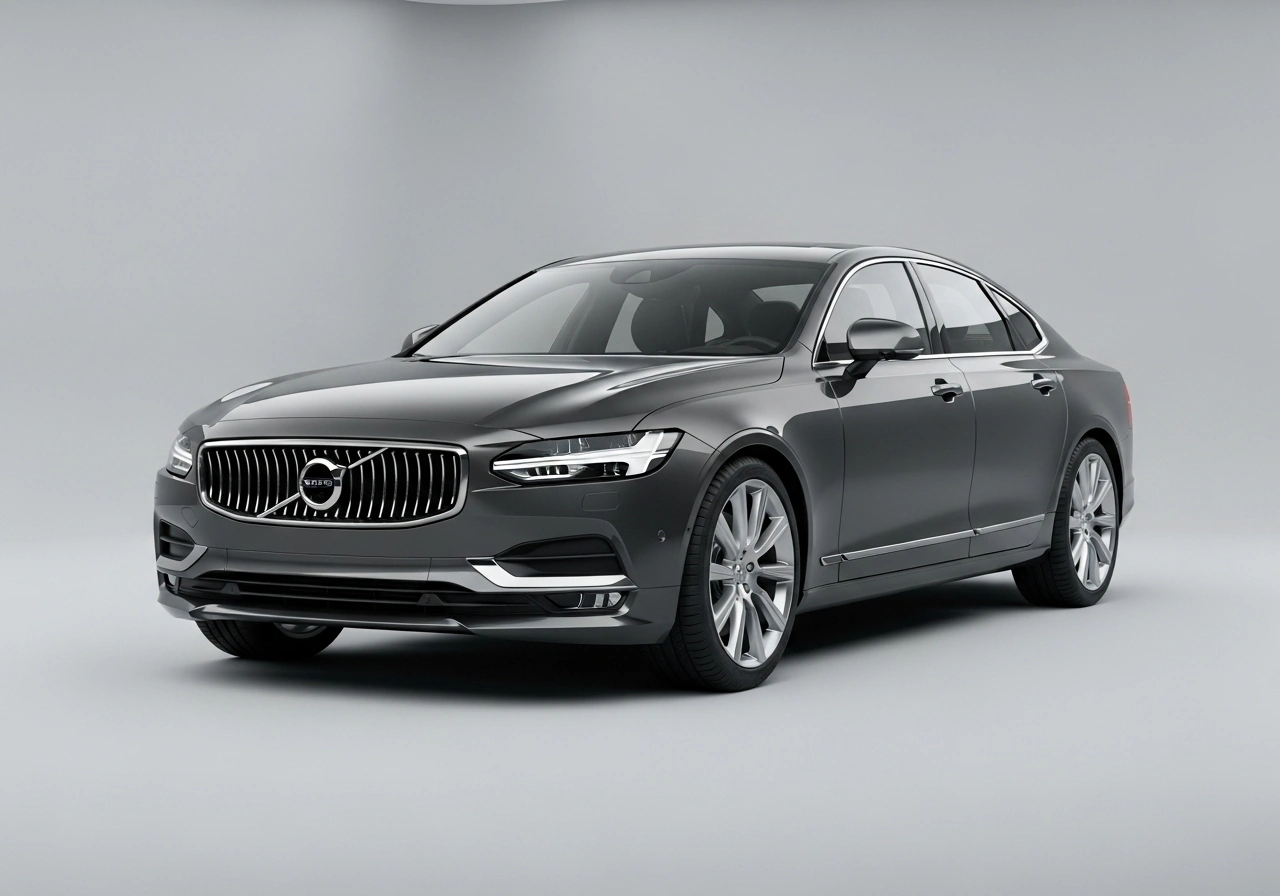
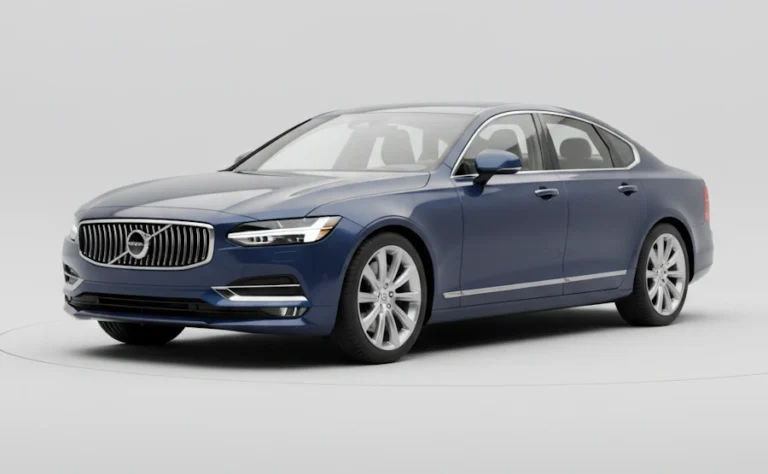
The 2020 Volvo S90 is the facelifted second-generation model, with production starting in mid-2019 for the 2020 model year and continuing through 2025 (last model year in many markets like US, Europe, Australia, Canada; ongoing in China and select Asia/Middle East).
Key updates include:
- mild-hybrid powertrains (B-series),
- refreshed styling (e.g., sequential LED taillights, new grille),
- enhanced infotainment
- advanced safety.
From 2025, a second facelift added a new front end and 11.2-inch screen (not in discontinued markets).
Trims evolved: Momentum/Inscription/R-Design (early), then Plus/Ultra; Recharge for PHEV.
Engines focus on 2.0L I4 mild-hybrids and PHEV; diesels in Europe/Asia only.
Long-wheelbase (LWB) standard in US from 2018, but facelift refined it. Below is a comprehensive table from aggregated sources.
Variations by year, trim (e.g., Plus, Ultra), engine (B5/B6 petrol mild-hybrid, T8 PHEV), or market (US vs. Europe) are noted.
| Category | Subcategory | Details |
|---|---|---|
| General Information | Model Years | 2020-2025 (facelift intro 2020; second facelift 2025 in select markets); production from mid-2019 to late-2024 in most regions, ongoing in China/Asia |
| Body Style | 4-door executive sedan (E-segment); long-wheelbase (LWB) standard in US/China, short-wheelbase (SWB) in Europe/others until discontinuation | |
| Platform | Scalable Product Architecture (SPA) | |
| Assembly Locations | China (Daqing, primary); Sweden (Torslanda, early); Malaysia/India (CKD, select markets until discontinuation) | |
| Drivetrain | All-Wheel Drive (AWD) standard on most (B6, T8, B5 AWD); Front-Wheel Drive (FWD) on base B4/B5 in Europe | |
| Seating Capacity | 5 seats (6-seat option in early T6/T8 Momentum) | |
| Door Count | 4 doors | |
| Trim Levels | Early (2020-2022): Momentum (base), Inscription (luxury), R-Design (sporty); Later (2023+): Plus, Ultra (replaces Ultimate); Recharge/Plug-in Hybrid (T8); Excellence (select markets, e.g., China) | |
| Market Variations | US: Petrol mild-hybrid/PHEV focus, LWB only; Europe/Asia: Diesel/mild-hybrid options, SWB/LWB; Discontinued in US/Europe/Australia/Canada/India by 2025 due to sales/tariffs; Emission norms: Euro 6d/7 (Europe), BS VI (India) | |
| Year Changes | 2020: Facelift with new grille/wheels/colors, wool upholstery opt, 6-seat opt, road sign ID standard; 2021: Minor styling, wireless charging/USB; 2022: Carryover; 2023: New trims/interior facelift (China); 2024: Carryover; 2025: Second facelift (new front, 11.2-in screen in ongoing markets), Ultra replaces Ultimate, Recharge name dropped | |
| Engine Details | Petrol Mild-Hybrid Engines | B4: 2.0L I4 turbo (197 hp @ 4800-5400 rpm, 221 lb-ft @ 1500-4200 rpm; Europe); B5: 2.0L I4 turbo (250 hp @ 5400-5700 rpm, 258 lb-ft @ 1800-4800 rpm); B6: 2.0L I4 turbo+super (295-299 hp @ 5400-6000 rpm, 310 lb-ft @ 2100-4800 rpm) |
| Diesel Mild-Hybrid Engines | D3/B3: 2.0L I4 turbo (150 hp @ 3750 rpm, 236 lb-ft @ 1750-3000 rpm; Europe); D4/B4: 2.0L I4 twin-turbo (190-197 hp, 295 lb-ft); D5/B5: 2.0L I4 twin-turbo (235 hp @ 4000 rpm, 354 lb-ft; PowerPulse tech) | |
| PHEV Engines | T8 Recharge/Plug-in Hybrid: 2.0L I4 turbo+super petrol (303-312 hp, 295 lb-ft) + electric motor (143 hp, 228 lb-ft); Combined: 400-455 hp, 472-523 lb-ft; Battery: 18.8 kWh Li-ion (up to 38-53 mi electric range WLTP) | |
| Common Engine Specs | All: Inline-4, 1969 cc, DOHC 16-valve; Bore x Stroke: 82 x 93.2 mm; Compression: 10.3-16.0:1; Fuel Injection: Direct (petrol), Common Rail (diesel); Mild-hybrid: 48V system for efficiency | |
| Year/Market Notes | Mild-hybrids from 2020; T8 updated 2021+; Diesels phased out in US; 2025: Hybrid-only in some markets | |
| Transmission | Type | 8-speed automatic (Geartronic); no manual options |
| Performance | Acceleration (0-60 mph) | B5: ~6.5 sec; B6: 5.9-6.2 sec; T8: 4.4-4.6 sec; D5: ~6.8 sec |
| Top Speed | 112-155 mph (electronically limited) | |
| Towing Capacity | Up to 4,600 lbs (braked) | |
| Fuel Economy | US EPA (City/Highway/Combined MPG) | B6 AWD: 23/31/26; T8: 30/33/31 (66 MPGe combined) |
| Europe WLTP (Combined) | Mild-hybrids: 30-45 mpg; PHEV: Up to 100+ mpg equiv. | |
| Fuel Tank Capacity | 15.9 gal (60 L; smaller on PHEV) | |
| Dimensions | Length | 195.6-200.4 in (4969-5083 mm; LWB longer) |
| Width | 74.0-79.5 in (1879-2019 mm incl. mirrors) | |
| Height | 56.7-57.2 in (1440-1450 mm) | |
| Wheelbase | SWB: 115.8 in (2941 mm); LWB: 120.5 in (3061 mm) | |
| Ground Clearance | 5.8-6.0 in (148-152 mm) | |
| Turning Diameter | 37.4-38.7 ft (11.4-11.8 m) | |
| Interior Dimensions | Front Head/Leg/Shoulder/Hip: 37.8-38.7/42.2/57.5/56.4 in; Rear: 37.8/35.9-40.4/55.4/54.9 in (LWB adds rear legroom) | |
| Weights and Capacities | Curb Weight | 3,900-4,600 lbs (1,800-2,150 kg; heavier on PHEV/AWD) |
| Cargo Volume | 13.5-15.4 cu ft (431-500 L; expandable to ~53 cu ft) | |
| Chassis and Suspension | Suspension | Front: Double wishbone; Rear: Integral link multi-link; Optional adaptive air suspension |
| Brakes | Ventilated discs (13.6-in front, 12.6-in rear); ABS, EBD, Brake Assist | |
| Steering | Electric power-assisted rack-and-pinion | |
| Wheels/Tires | 18-21 in alloys; Tires: 245/45R18 to 255/35R21 | |
| Safety Features | Standard | 7-8 airbags, ABS/ESC/TPMS, Lane Keeping Aid, Pilot Assist (Level 2 semi-autonomous), City Safety (AEB for pedestrians/cyclists/animals/large animals), Run-off Road Mitigation, Oncoming Lane Mitigation, Road Sign Info, Adaptive Cruise, Forward Collision Warning |
| Optional/Advanced | 360° camera, Blind Spot Info, Cross-Traffic Alert, Rear Collision Warning, Heads-Up Display, Auto Park Assist | |
| Ratings | IIHS: Top Safety Pick+ (2021-2023); Euro NCAP: 5 stars; ANCAP: 5 stars | |
| Interior Features | Seating/Comfort | Nappa leather/wool opt, 8-10-way power front seats (heated/ventilated/massage opt), heated rear seats, 4-zone climate, wood/aluminum accents |
| Infotainment | 9-12.3-in touchscreen (Sensus/Google built-in from 2023), Apple CarPlay/Android Auto, Nav, Bluetooth, WiFi, Bowers & Wilkins audio (opt, 19 speakers), Digital Services (4-yr sub) | |
| Convenience | Keyless entry/start, power trunk, wireless charging (2021+), panoramic sunroof, heated steering wheel | |
| Exterior Features | Design | Thor’s Hammer LEDs, sequential taillights (2020+), chrome accents (Inscription/Ultra), sport bumpers (R-Design) |
| Options | Adaptive LED headlights, power-folding mirrors, rain-sensing wipers | |
| Additional Notes | Reliability/Warranty | Common issues: Infotainment glitches (OTA fixes), brake wear; Warranty: 4 yr/50,000 mi basic, 8 yr/100,000 mi hybrid battery; High reliability scores (e.g., 4/5 J.D. Power) |
The 2020-2025 Volvo S90: a refined farewell to Scandinavian luxury sedans
The Volvo S90 from 2020 to 2025 represents the facelifted evolution of Volvo’s flagship sedan, blending mild-hybrid efficiency, advanced safety, and premium comfort in a market increasingly dominated by SUVs and EVs. Produced primarily in China from mid-2017 onward, this model emphasized sustainability with 48V mild-hybrid tech across its lineup, while maintaining Volvo’s signature understated elegance.
As of October 2025, the S90 has been discontinued in key markets like the US, Europe, Australia, Canada, and India due to escalating tariffs and shifting consumer preferences. However, it remains available in China and select Asian markets with a second facelift for 2025.
History and development
The S90’s facelifted era began in mid-2019 for the 2020 model year, building on the second-generation’s Scalable Product Architecture (SPA) platform introduced in 2016.
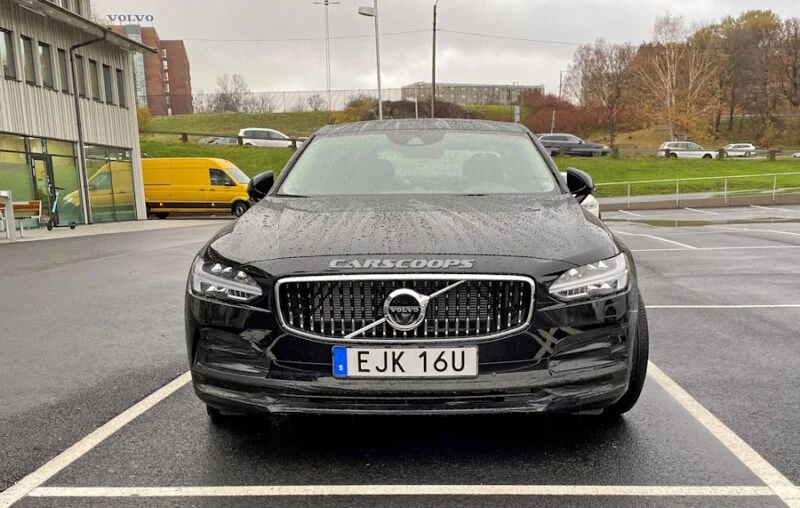
Key updates included:
- refreshed grille,
- sequential LED taillights,
- new wheel designs,
- interior enhancements like wool-blend upholstery options and wireless charging.
Volvo shifted to mild-hybrid powertrains (B-series) for better efficiency, phasing out pure petrol/diesel options in many markets, and upgraded the T8 plug-in hybrid with a larger 18.8 kWh battery for extended electric range.
Production was centered in Daqing, China, which became a double-edged sword. While enabling cost efficiencies, it exposed the model to geopolitical tensions.
In April 2025, Volvo announced the S90’s discontinuation in the US after the 2025 model year, citing 125% tariffs on Chinese imports imposed by the Trump administration as the primary reason. Similar factors led to its exit from Europe and other regions, compounded by declining sedan sales (Volvo’s SUV-heavy lineup now dominates). In China, a 2025 refresh introduced a bolder front end and an 11.2-inch infotainment screen, hinting at a potential ES90 successor—an all-electric model slated for 2026.
This era marked Volvo’s push toward electrification, with the S90 serving as a bridge between internal combustion and full EVs. Sales peaked in the early 2020s but waned as buyers favored crossovers like the XC60.
Design and features

The S90’s design refines Scandinavian minimalism with subtle 2020 updates: a sleeker grille, chrome accents on Inscription/Ultra trims, and sportier bumpers on R-Design (phased out post-2022 for Plus/Ultra naming). Exterior dimensions remain generous—up to 200 inches long in LWB form (standard in US/China)—with a low roofline for aerodynamic efficiency (Cd 0.28).
Inside, the cabin is a highlight: Nappa leather or wool seats, open-pore wood trim, and ergonomic design create a serene environment. The 9-12.3-inch Sensus touchscreen (Google-integrated from 2023) handles infotainment with Apple CarPlay/Android Auto, navigation, and a premium Bowers & Wilkins system. Rear space is limo-like in LWB models (40.4 inches legroom), with options like heated/ventilated seats and massage functions. Cargo holds 13.5-15.4 cubic feet, expandable to 53.
Users love the “superb” interior quality and comfort, often calling seats “amazing” for long drives. However, the touchscreen can feel dated or glitchy, requiring a learning curve.
Performance and driving experience
Powered by 2.0-liter inline-fours with mild-hybrid assist, the S90 offers B5 (250 hp), B6 (295 hp), and T8 PHEV (up to 455 hp combined). An 8-speed automatic and AWD (standard on most) deliver smooth power; 0-60 mph ranges from 6.5 seconds (B5) to 4.4 (T8).
Fuel economy shines: 26 mpg combined for B6, up to 66 MPGe for T8.
The double-wishbone front and multi-link rear suspension (optional air) provide a plush, composed ride, ideal for highways.
Pilot Assist offers Level 2 autonomy, easing commutes. Owners praise the “smooth” handling and quiet cabin, but note it’s not sporty—steering can feel heavy, and larger wheels amplify road noise.
Safety innovations
Volvo’s safety prowess is unmatched: Standard features include City Safety AEB (detects pedestrians/cyclists/animals), Lane Keeping Aid, Oncoming Lane Mitigation, and adaptive cruise. Options add 360° cameras and blind-spot monitoring. Ratings: IIHS Top Safety Pick+ (2021-2023), Euro NCAP/ANCAP 5 stars.
Users highlight life-saving tech, with one noting excellent headlights. No major recalls in recent years, though early software issues were addressed via OTAs.
Ownership experience: reliability, maintenance, and common issues
With J.D. Power scores of 4/5 and Consumer Reports predicting average reliability, the S90 holds up well, often surpassing 100,000 miles. Owners report 80% satisfaction, praising comfort and low running costs.
Common issues:
- Brake vibrations from warped rotors (fix: $300-500 resurfacing).
- Coolant sensor failures triggering check engine lights (replace: $200).
- AC evaporator leaks (repair: $500-1,000).
- Infotainment glitches (e.g., slow boot, connectivity; often OTA-fixed).
- Tire issues (e.g., out-of-round Pirellis causing vibrations; replace early).
- Hybrid-specific: Battery drain or start/stop faults (rare, covered under 8-year warranty).
Maintenance tips:
- Oil changes every 10,000 miles; annual diagnostics (~$800-1,200/year).
- Use OEM parts; forums like SwedeSpeed for DIY.
- Warranty: 4 years/50,000 miles basic; 8 years/100,000 miles hybrid battery.
- Proactive: Check brakes/sensors; update software regularly.
Overall, lower costs than German rivals, but vigilance on electronics pays off.
Pros and cons
Pros:
- Luxurious, spacious interior with top comfort.
- Efficient mild-hybrid/PHEV options.
- Advanced safety and semi-autonomy.
- Smooth, quiet ride.
- Strong value in used market.
Cons:
- Discontinued in many markets; parts may become scarcer.
- Infotainment learning curve and glitches.
- Not dynamically engaging.
- Potential tariff-driven resale dips in US.
- Smaller trunk than SUVs.
Buying guide for 2025
Post-discontinuation, used S90s are bargains: Average $26,000 in Canada/US for 2020-2023 models; low-mileage 2025s around $50,000 CPO. Prioritize PHEV for efficiency; check service history for software updates and brake/suspension wear. Inspect for vibrations; get a PPI. Sites like AutoTrader, CarGurus, or Volvo CPO for sourcing. Mods: Upgrade tires for quieter ride; add aftermarket wireless charging if missing.
Compare to rivals: More refined than Genesis G80 but less sporty than BMW 5-Series. For similar, consider used Mercedes E-Class or Lexus ES.
Leave a Reply
You must be logged in to post a comment.